The coated-car care guide · Evelyn Insights
A ceramic coating makes routine maintenance easier, but it does not make a vehicle maintenance-free. Road film, salt, minerals, pollen, and traffic contamination can still accumulate on top of the coating.
The goal is simple: wash safely, avoid leaving contamination in place, and restore the surface when buildup begins to mask the coating’s behaviour.
For GlossTech coatings, wait at least seven days before the first wash. After curing, use GlossTech Wash Shampoo, clean microfiber wash media, and careful drying. Aim to wash every one to two weeks, use the recommended GlossTech maintenance product monthly, and arrange an annual installer inspection.
GlossTech’s client package says not to wash the vehicle for at least seven days after application. It also says the coating provides protection against rain and the elements from delivery; rain exposure is not permission to wash during curing.
During this period, avoid pressure washers and cleaning agents, including quick detailers and sprays. Avoid parking under trees and, where practical, driving through heavily muddy, dusty, or polluted areas.
If bird droppings, sap, or other aggressive contamination lands on the vehicle, contact your installer promptly for GlossTech-approved removal instructions. The package calls for approved removal techniques while also restricting cleaning agents during curing, so do not improvise with a household cleaner or an unapproved spray.
Separate wash media for wheels and paint. Brake dust and road grit should never be transferred onto coated body panels.
Following GlossTech’s client package, wash every one to two weeks, adjusted for exposure and driving conditions.
Remove salt, insects, pollen, and other buildup more frequently when conditions call for it. Address aggressive spot contamination promptly rather than waiting for the next scheduled wash.
Hand washing is the preferred approach. Avoid brush-style automatic washes, which can scratch the finish and wear down the coating.
GlossTech’s client package allows an occasional touchless wash when hand washing is not possible. Treat it as a fallback, not the regular maintenance routine. This is the customer package’s practical care guidance, not a guarantee of warranty coverage; the separate warranty policy governs claims.
Follow the recommended product instructions rather than substituting unrelated “ceramic” sprays. The client package recommends monthly GlossTech Spray Ceramic to refresh hydrophobic behaviour, slickness, and gloss. Its maintenance schedule also lists GlossTech Quick Detailer; confirm which product your installer recommends for your vehicle. Neither belongs in the initial seven-day no-cleaning-agent period.
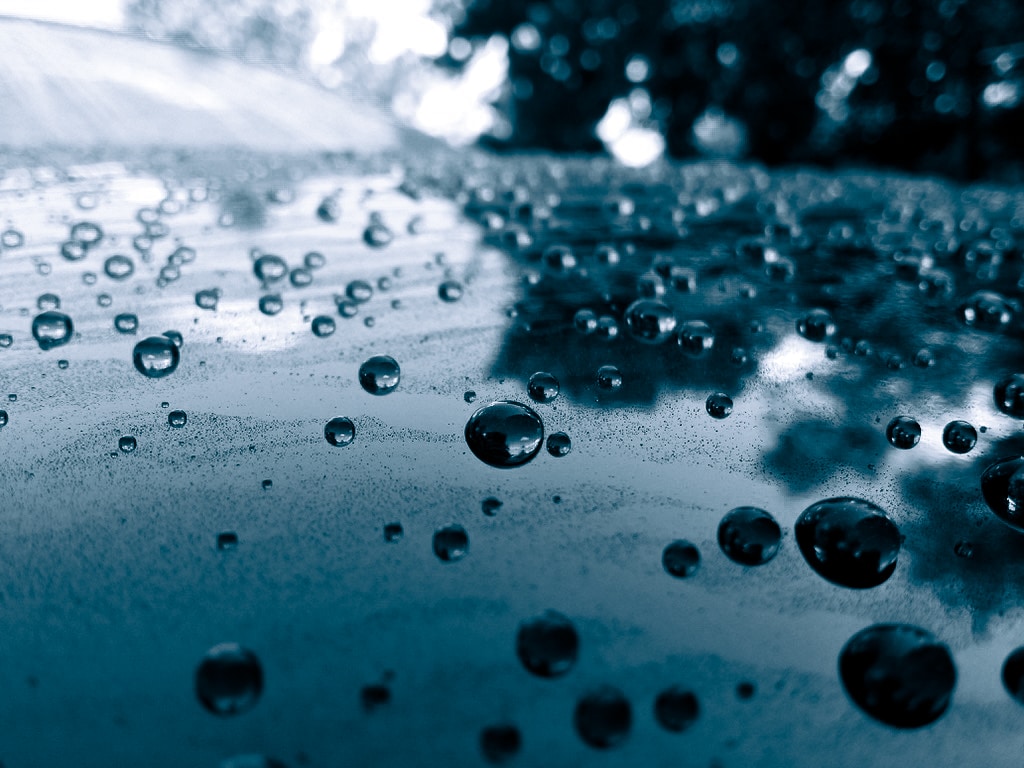
Reduced beading does not always mean the coating has failed. Traffic film, hard-water minerals, soap residue, and iron contamination can cover the surface and interfere with its hydrophobic behaviour.
A thorough wash and installer-approved decontamination may restore performance. If the surface still behaves unevenly, an inspection is more useful than guessing or applying stronger chemicals.
Remove aggressive contamination as soon as possible using GlossTech-approved techniques and products. Do not scrub it off a dry surface. The supplied warranty policy conditions its stated environmental-damage coverage on contaminants being cleaned off within 24 hours. That is a coverage condition, not advice to wait 24 hours before acting.
Mineral-deposit water spots are specifically excluded from that policy. GlossTech’s client package calls for complete drying after rinsing or rain exposure; do not allow water to air-dry into deposits or wipe a dirty surface with a dry towel. Ask the installer how to handle rain and contamination safely during the initial curing period.
Salt and road film should not remain on the vehicle for an entire season. Rinse wheel wells, lower panels, and high-buildup areas when weather permits. Use a safe drying method whenever possible to reduce frozen residue and water spotting.
If impact damage is the bigger concern, remember that ceramic coating and paint protection film serve different roles. Our PPF vs ceramic guide explains where each product fits.
Following GlossTech’s client package, visit your installer annually for a professional inspection and maintenance service. The installer can assess the coating and apply a rejuvenation product if needed. This is a maintenance recommendation, not a statement that every warranty requires an annual visit.
Keep maintenance records and inspection reports: the policy says these may be reviewed in connection with warranty claims or transfers. The full policy, eligibility rules, and exclusions govern coverage.
Tell us what coating is installed, when it was applied, how the vehicle is washed, and what behaviour has changed. We can recommend maintenance, decontamination, or an inspection without automatically assuming the coating needs replacement.