Beyond the year rating · Evelyn Insights
Ceramic coating durability is usually presented as a number of years. That number is useful for comparing products, but it is not a countdown timer or a guarantee that every vehicle will behave identically.
Real-world lifespan depends on the coating, surface preparation, installation, mileage, storage, climate, and maintenance after the vehicle leaves the studio.
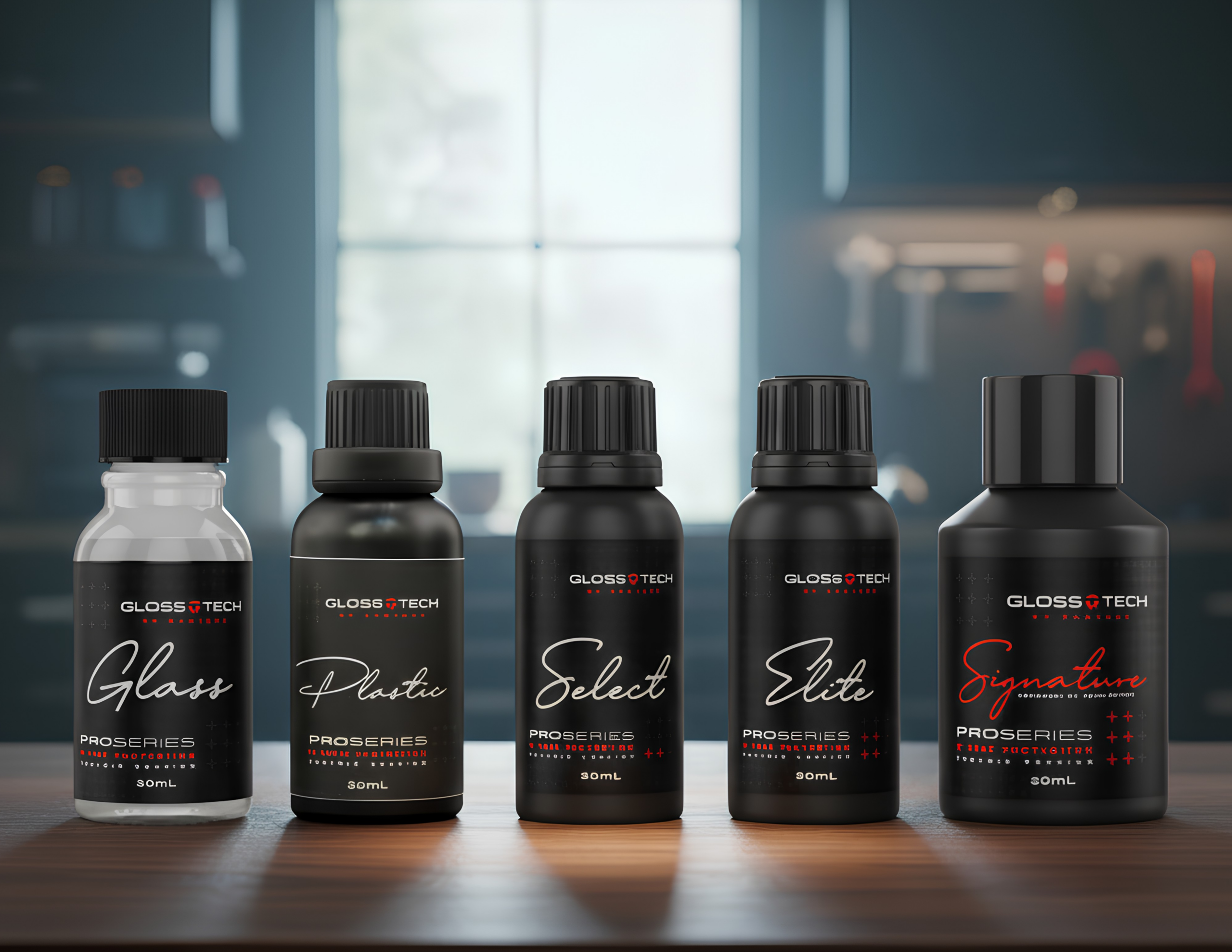
Three tiers. Different ownership plans.
Warranty coverage periods, not guaranteed identical lifespans. Terms and exclusions apply.
A professional automotive ceramic coating can provide multi-year performance when matched to the vehicle and maintained properly. The supplied GlossTech Warranty Policy lists coverage durations of two years for SELECT, four years for ELITE, and six years for SIGNATURE, subject to its terms and exclusions.
A warranty duration is not a prediction of identical performance on every vehicle. A neglected outdoor vehicle and a carefully maintained garage-kept vehicle will not necessarily age at the same rate.
A coating can decline gradually. Water behaviour may change before the protective layer is completely gone, and contamination can temporarily hide hydrophobic performance.
Evaluate more than beading alone:
The coating must bond to a properly cleaned and prepared surface. Residue, polishing oils, contamination, or unstable paint can compromise the result. See our paint correction before ceramic coating guide for how the paint is assessed and refined before protection.
Controlled application, correct flash time, careful levelling, and suitable curing conditions all affect performance. Product claims assume the coating was installed correctly.
A daily commuter exposed to winter salt, construction dust, highway mileage, and outdoor parking faces a harder life than a seasonal vehicle stored indoors.
Frequent abrasive washing can damage the finish. Long periods without washing can allow contamination to build up and mask performance. The best approach is consistent, safe maintenance.
Hard-water minerals, bird droppings, industrial fallout, strong cleaners, and road chemicals can stress the surface. A coating improves resistance; it does not make paint chemically invulnerable.
The longest-duration product is not automatically the right choice.
A shorter tier may make sense for a leased vehicle, short ownership cycle, or budget-conscious daily driver. Longer tiers are easier to justify when the vehicle will be kept for years and the owner values reduced maintenance over that period.
Our automotive ceramic coating packages outline the current tiers and included preparation.
Good maintenance helps preserve coating performance. Following GlossTech’s client package, avoid washing for at least seven days after application, then wash every one to two weeks, maintain monthly with the recommended GlossTech product, and arrange an annual professional inspection.
Maintenance does not change the policy’s stated coverage duration, but poor care can reduce performance and affect eligibility for coverage. See our ceramic coating maintenance guide for the customer-package-based care routine. Practical aftercare advice does not replace the separate warranty terms.
The supplied policy ties coverage to eligible vehicles, approved installation, completion of recommended paint correction, and care consistent with GlossTech’s guidelines. It conditions stated environmental-damage coverage on contaminants being removed within 24 hours.
Exclusions include mineral-deposit water spots, pre-existing damage, inadequate maintenance, harsh chemicals, and normal wear such as scratches and minor abrasions. It is not a blanket promise against every kind of paint damage. Annual maintenance is recommended; the supplied policy does not state that an annual visit is an unconditional requirement.
Ask for the full applicable policy at installation. Keep maintenance and inspection records, and refer any coverage question to the installer and GlossTech’s review process.
Consider an inspection when:
An inspection can prevent unnecessary reapplication when the real issue is surface buildup.
The products age differently because they do different jobs. Ceramic coating is a thin protective layer focused on contamination resistance, gloss, and maintenance. PPF is a much thicker film designed for impact and abrasion protection.
If stone chips are the concern, duration alone should not drive the decision. Read our PPF vs ceramic coating comparison before choosing.
Tell us how long you plan to keep the vehicle, where it is parked, how it is driven, and how you prefer to maintain it. We will recommend the tier that fits those conditions rather than defaulting to the most expensive option.