Home / Paint Protection Film / Coloured PPF
Coloured PPF Markham
Coloured PPF gives you a full colour change and genuine paint protection in a single film. Not a wrap with film over it. One layer that does both jobs.
Backed by a manufacturer warranty of up to 15 years depending on the film selected, and fully reversible on healthy factory paint. Installed by appointment at our Markham studio, serving the surrounding GTA.
What It Is
For years, drivers had to choose between changing how a vehicle looked and protecting it. Vinyl wrap changed the colour but offered little impact resistance. Clear paint protection film protected the paint but kept the factory colour. Coloured PPF combines those two previously separate products into one.
It is the same category of product as clear film, with pigment built into it. A high-performance self-healing polyurethane engineered to absorb road debris, resist UV, and take daily wear before any of it reaches your paint. The difference is that it also changes what the car looks like.
This is the part worth being clear about: you are not trading protection for appearance. Coloured PPF is protective film first. The colour is an added property rather than a substitute for the performance.
If protection alone is the goal, our clear paint protection film service covers coverage packages and film options.
At a Glance
What It Is
Paint protection film with colour built into it. Same impact absorption and self-healing as clear film.
Warranty
Up to 15 years depending on the film selected, against manufacturing defects such as yellowing, cracking, and delamination.
Versus a Wrap
Thicker, tougher, longer lasting, and a higher investment.
Reversible
Yes, on healthy factory paint, removed within the film's service life.
Finishes Available
Coloured PPF covers considerably more ground than a single block colour. The range is what makes it interesting, and it is why we review samples on your actual paint before committing to anything.
A straightforward colour change in gloss or satin. Clean, deliberate, and the easiest to visualize before installation.
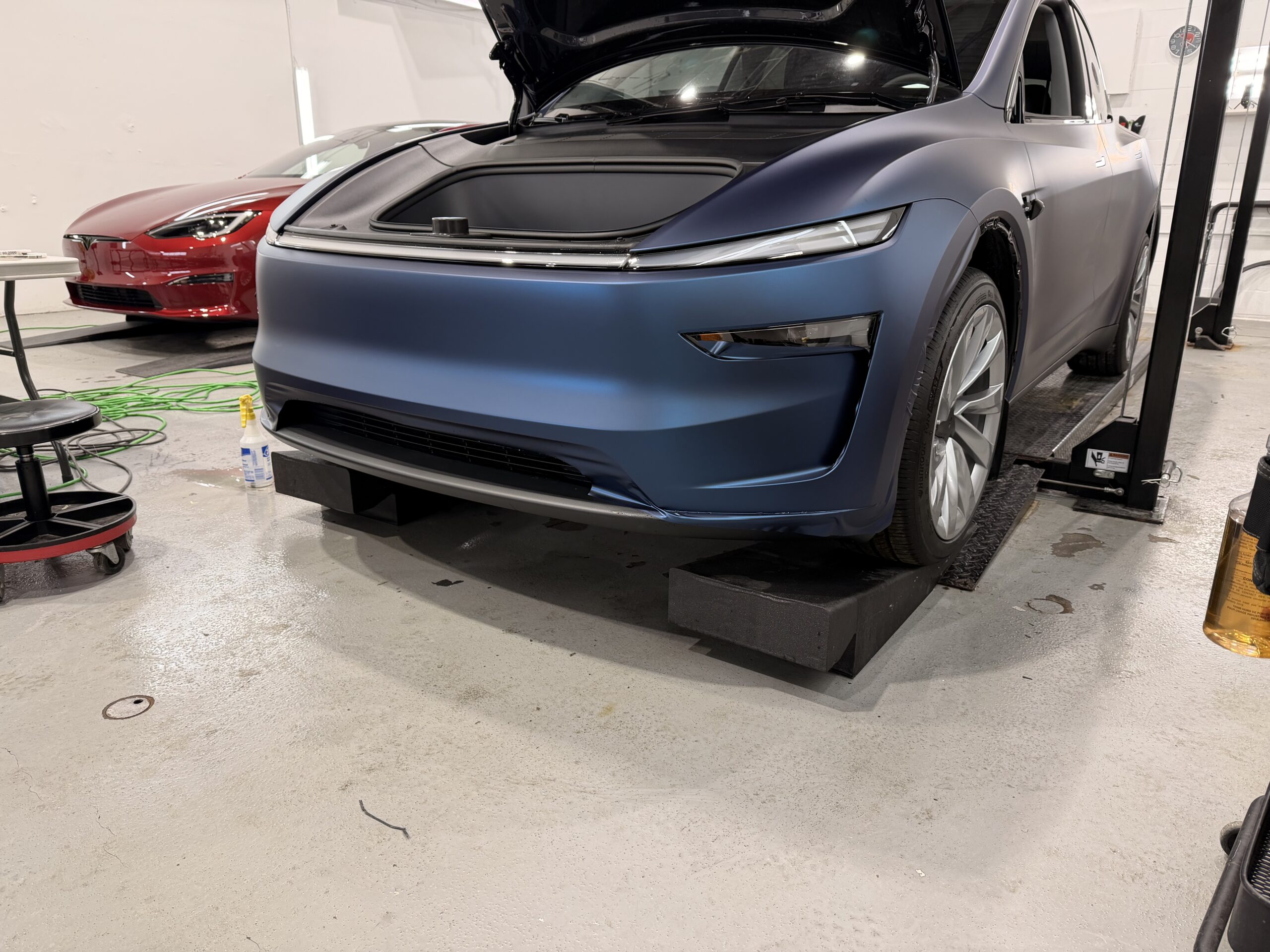
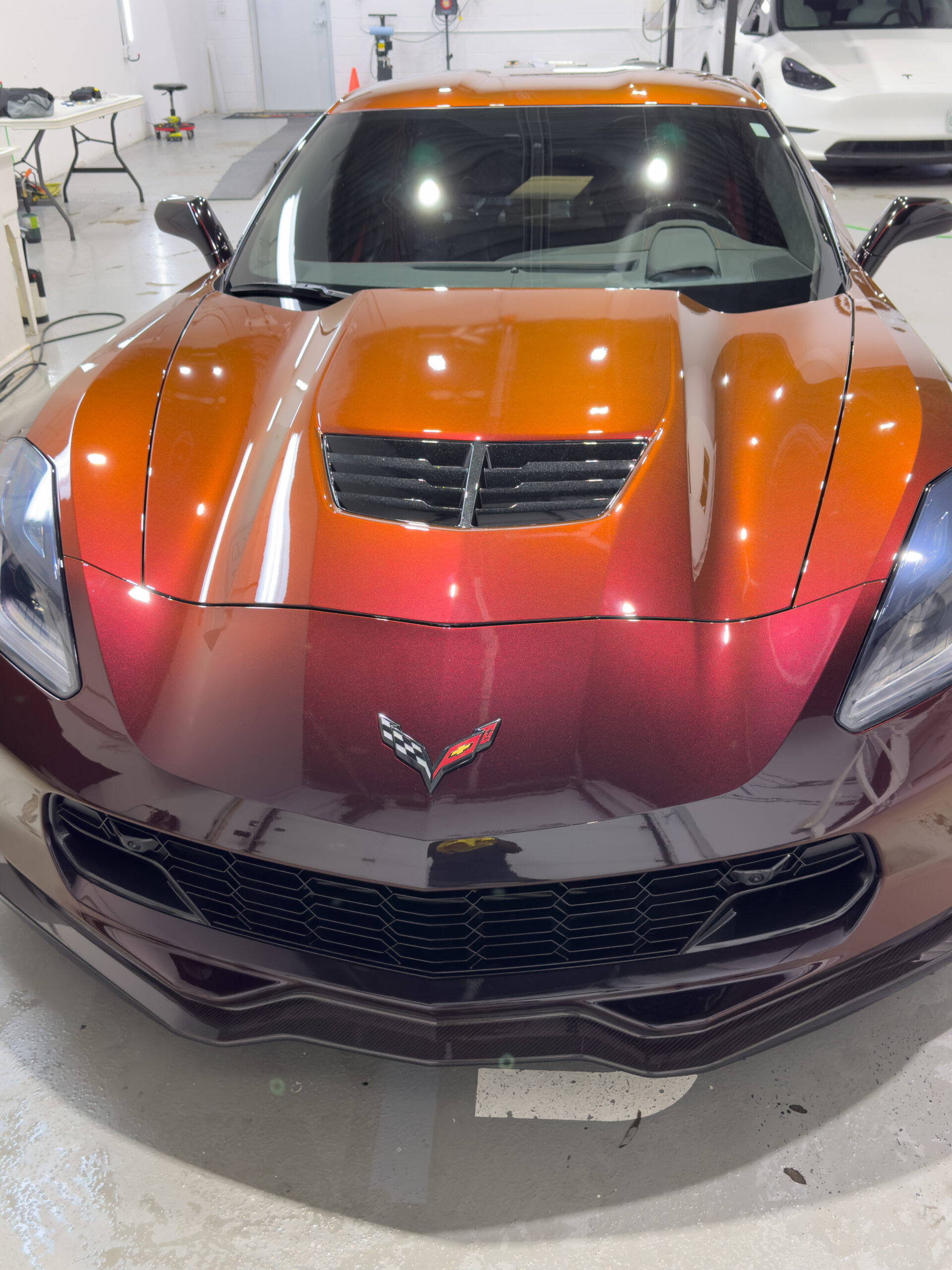
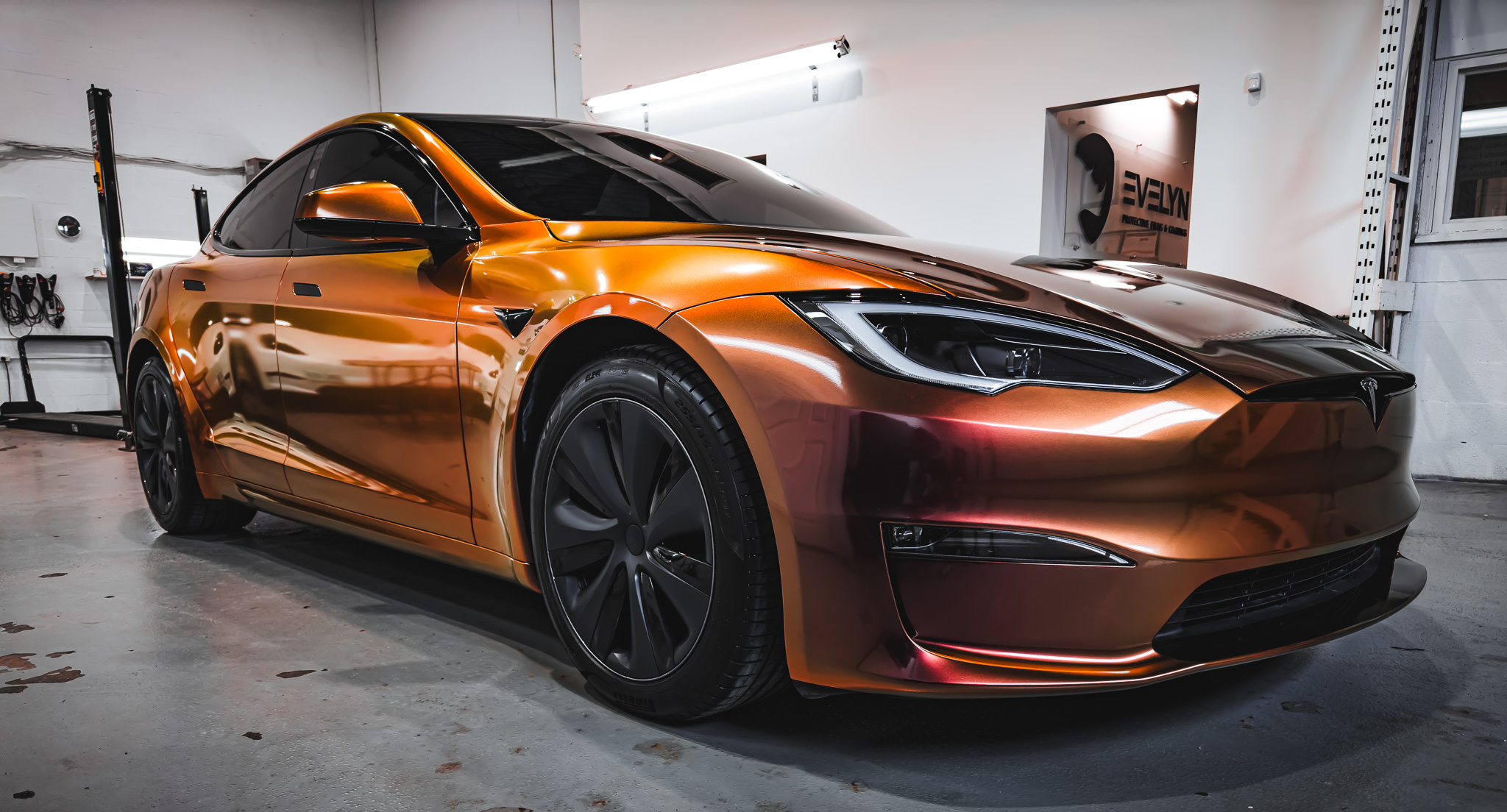
Finishes that change hue with viewing angle and light. Dramatic in person and effectively impossible to photograph accurately, which is why samples matter.
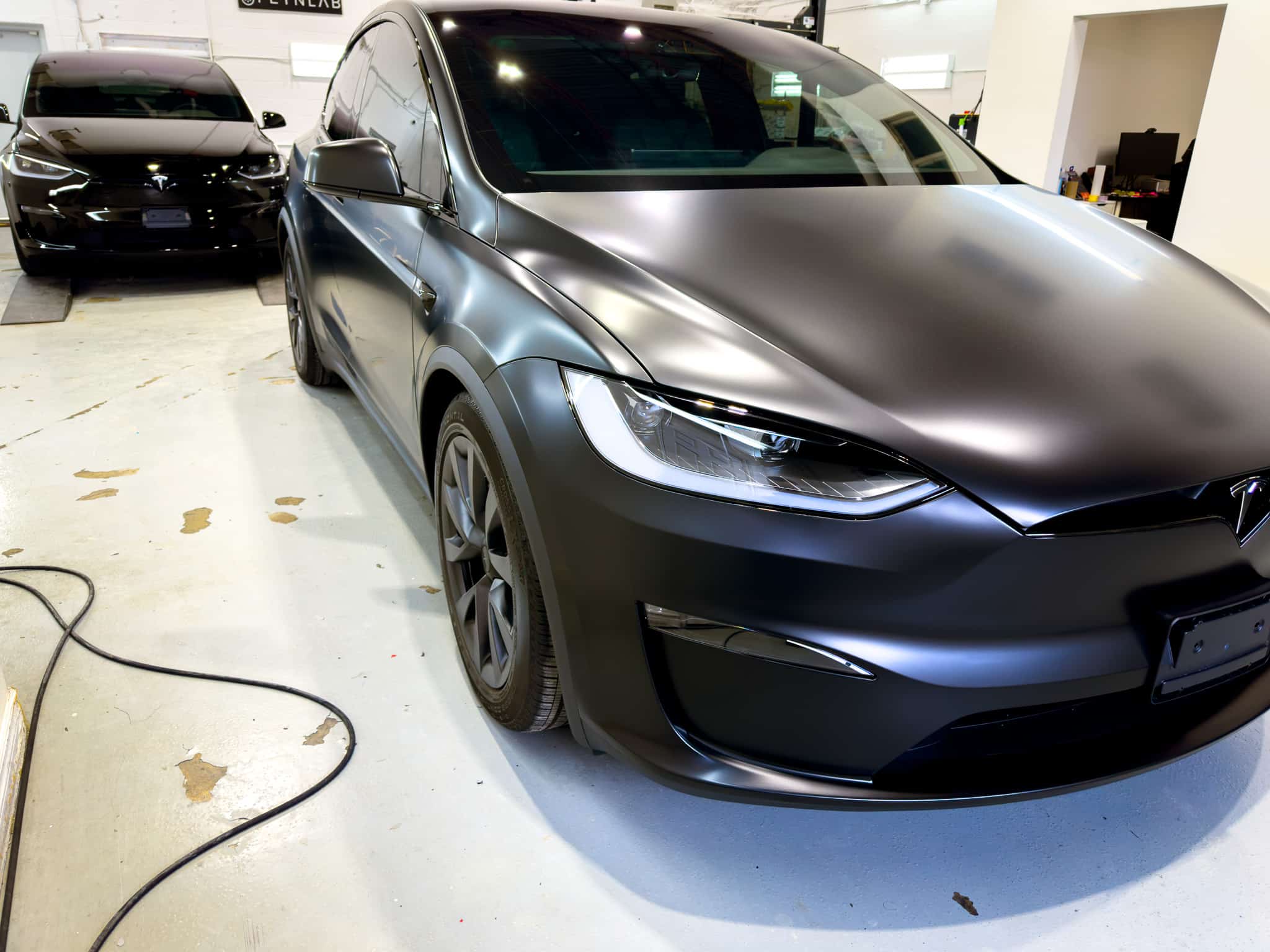
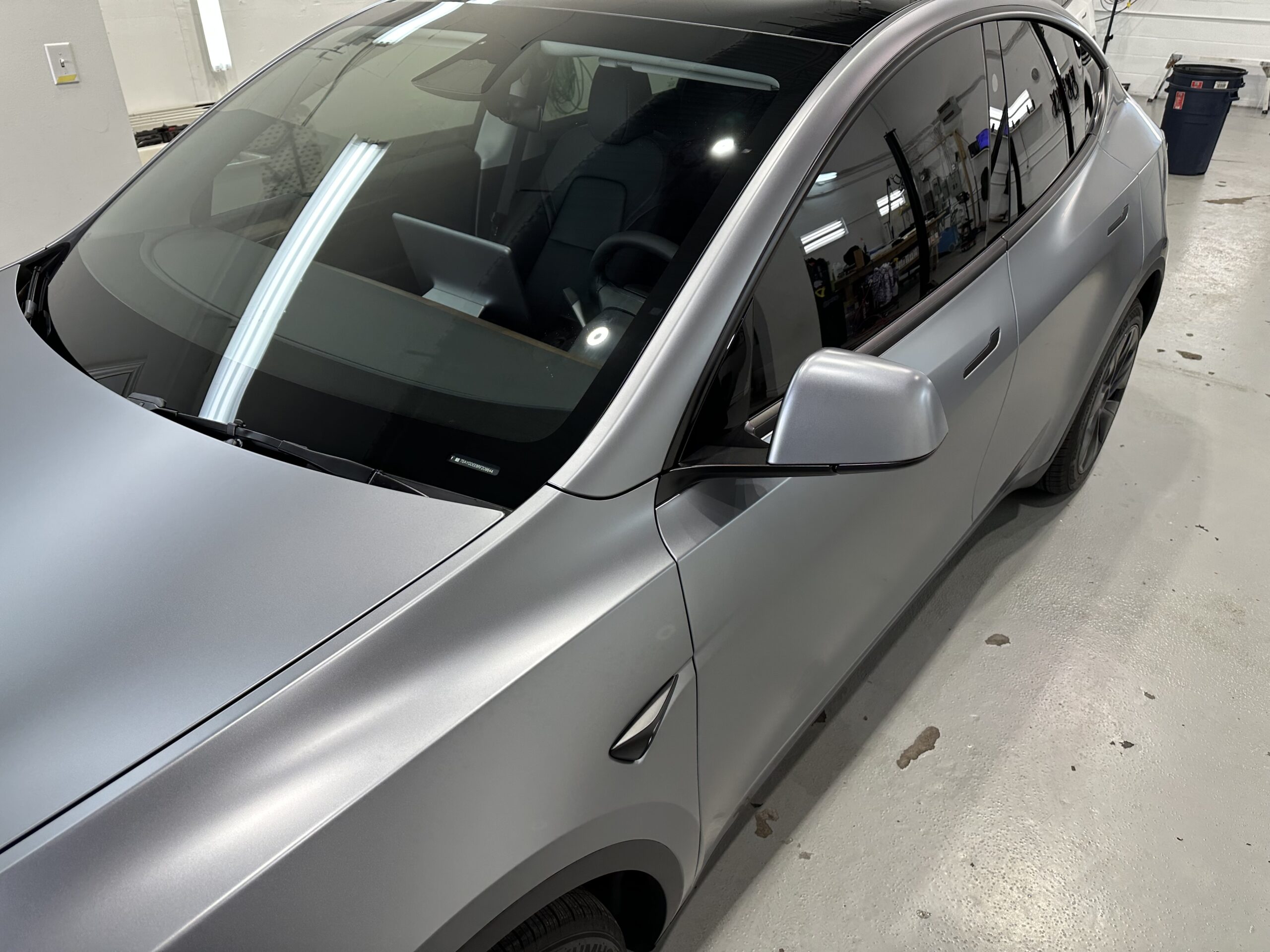
Converts gloss paint to a satin or matte finish while protecting it. Also the correct solution for protecting factory matte paint without changing its character.
Carbon-style, forged, and textured films, almost always used on individual elements rather than full vehicles. Roofs, mirror caps, and spoilers are the common ones.
Not every finish suits every vehicle. We will talk through what is realistic for your panels, your daily use, and your long-term plans before recommending one.
Recent Work
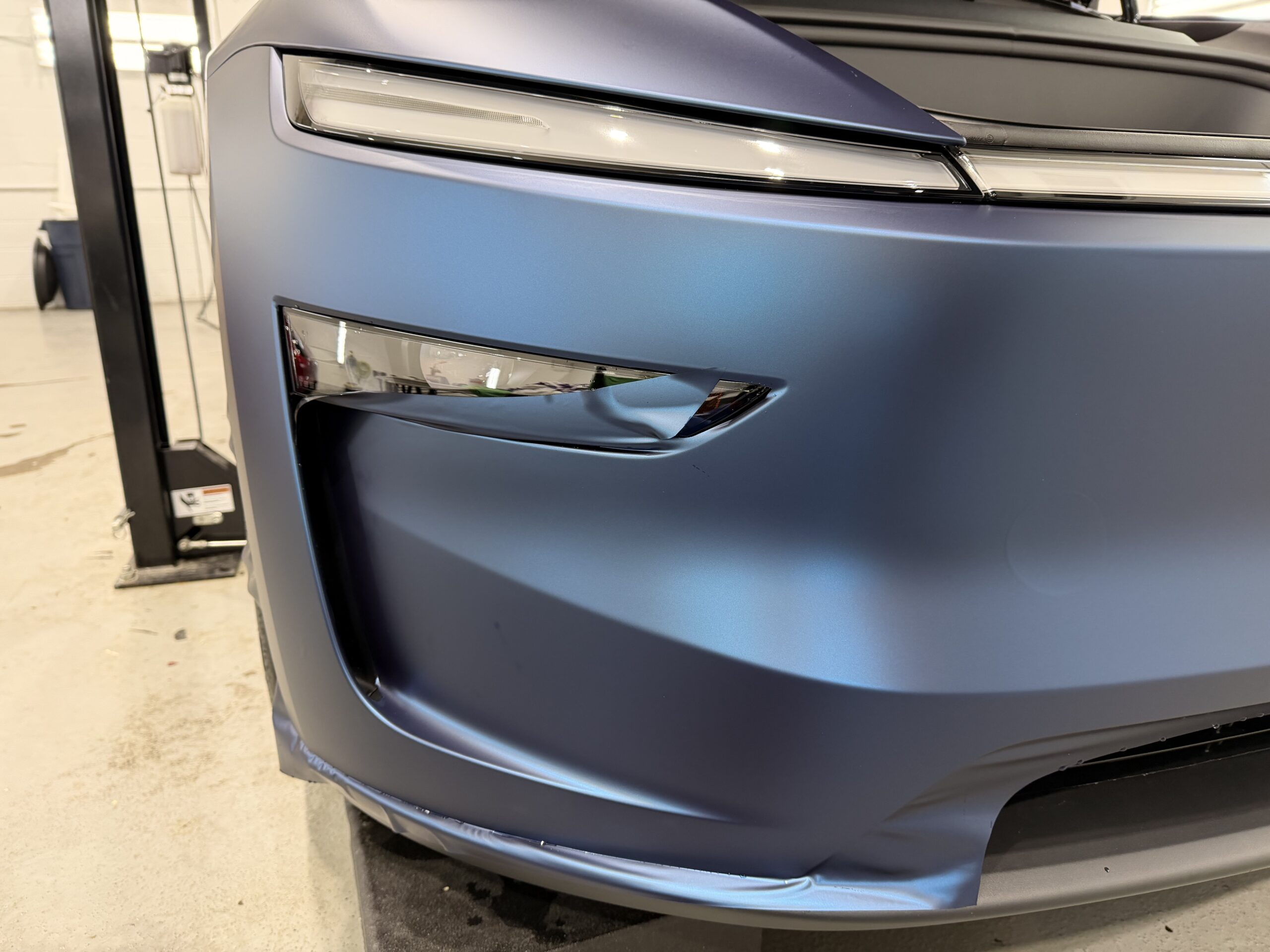
Colour change and impact protection in the same layer, installed at our Markham studio.
Why People Choose It
Every layer you add is another set of edges that can lift and another interface that can fail. Doing both jobs in a single film is structurally simpler, and usually less expensive than doing them separately.
Protection
Absorbs rock chips, road debris, bug splatter, light scratching, and UV exposure before any of it reaches your paint.
Self-Healing
Light swirls and surface marks relax with heat from the sun, so the finish holds its appearance with less effort.
Reversible
An entirely different visual identity for the vehicle, with the original paint intact underneath for resale or lease return.
Durability
Substantially tougher than vinyl, and engineered for vehicles that cover real kilometres rather than sitting on display.
Warranty
Manufacturer warranty coverage of up to 15 years depending on the film selected, against defects such as yellowing, cracking, and delamination.
Simplicity
No wrapping and then filming over it. One product, one installation, one set of edges to maintain.
Honest Comparison
The most common question we get. Both change how a vehicle looks, but they are built for different priorities.
Thinner and more affordable, with the widest range of finishes. It does not absorb impact.
Roughly two to three times the thickness, self-healing, and chosen for impact absorption as well as colour.
A stone at highway speed goes straight through vinyl to the paint underneath, and you will not see the damage until the wrap comes off. That single difference is what most of the decision comes down to.
Read the Full Comparison →Financing is available. Split your coloured PPF project into manageable payments, and ask us for details with your quote.
See It on a Vehicle
Colour shift and satin finishes are difficult to judge from photographs, because the whole point is that they behave differently as light and angle change. Video gets closer.
Samples in person are still better than any screen, which is why we keep them on hand.
What It Costs
We quote your specific vehicle rather than guess, but it helps to understand the shape of the decision before you ask.
Coloured PPF costs more. You are paying for protective film rather than pigmented vinyl. If appearance is the only goal and the vehicle sees little highway use, wrap remains the better value.
Coloured film is usually less expensive than wrapping a vehicle and then filming over it, and it avoids the layering complexity entirely. This is where it makes the most obvious sense.
Comparable in some cases, but reversible where paint is not. Your factory colour and its documentation stay intact, which matters at resale.
Coloured film costs more than clear film of the same coverage. You are buying appearance as well as protection.
Living With It
Wait roughly 72 hours after installation before the first wash so the edges fully set. After that, remove bird droppings, sap, and bug residue promptly rather than letting them sit, wash when panels are cool, and avoid brush automatic washes.
Matte and satin finishes need more care than gloss, because the texture is a physical property of the surface. No wax, no polish, and no all-in-one products, since anything that fills the texture creates a shiny patch that cannot be corrected. Use products labelled for matte film.
A ceramic coating formulated for film surfaces can be added if easier washing, gloss, and chemical resistance are also priorities.
Coloured PPF installed on healthy factory paint and removed by an experienced installer within its service life comes off cleanly, leaving the original colour as it was.
The paint underneath has to have been sound when the film went on, which is why we inspect before quoting. And the film should not be left on far past its service life, since aged film and aged adhesive make removal harder.
If you know the vehicle is heading to sale or lease return, plan removal around that date rather than waiting for the film to tell you it is time.
Fit Check
It is a strong product, and it is not the right answer for every situation. Here is how we think about the fit.
Strong Fit
Drivers who want a distinctive finish on a vehicle they actually drive, and who care about preserving the original paint for resale or lease return.
Also Consider
A car in otherwise excellent condition in a colour that was never the plan. Changing the finish is far less drastic than a respray and fully reversible.
Wrap May Suit
Purely cosmetic goals on a garage-kept vehicle with low highway exposure, or a look you expect to change again within a couple of years.
Address First
Paint that is failing, deeply scratched, or recently resprayed. Film goes over healthy paint, and fresh paint needs to cure fully before anything is applied.
If protection rather than appearance is your priority, our paint protection film guide covers clear film and coverage packages, and is PPF worth it in the GTA looks at whether film earns its cost for how you drive.
Where We Are
Our studio is at 6 Heritage Rd, Unit 3 in Markham, just north of Highway 7 near McCowan. Coloured PPF is installed by appointment only, one vehicle at a time, with samples reviewed on your paint before anything is ordered.
We work with drivers from Markham, Richmond Hill, Vaughan, Stouffville, North York, Scarborough, Toronto, and across the surrounding GTA.
Paint Protection Film by Area
PPF in Richmond Hill · PPF in Vaughan · PPF in North York · PPF in Scarborough
(905) 201-9938Studio Address
6 Heritage Rd, Unit 3
Markham, ON L3P 1M4
Monday to Friday, 8:30 AM to 5:00 PM
By appointment only
Free on-site parking
FAQ
Answers to the questions we hear most before booking.
Yes. It is the same category of protective film with pigment built in, so it absorbs impact, self-heals light scratches, and resists UV the same way clear film does. You are adding appearance, not trading away protection.
Considerably longer than a vinyl wrap, since it is a protective film rather than a cosmetic one. Coloured PPF is backed by a manufacturer warranty of up to 15 years depending on the film selected, against manufacturing defects such as yellowing, cracking, and delamination. Actual service life depends on the finish, how the vehicle is driven and stored, and how it is maintained. We confirm the exact terms for your film at booking.
Not when it was installed on healthy factory paint and is removed by an experienced installer within its service life. The risks are paint that was already compromised, or film left on far past its lifespan. That is why we inspect paint before quoting.
Premium coloured films are built with UV stabilizers specifically to hold their colour, and they resist fading far better than the pigmented films of a decade ago. That said, no pigmented material is permanently immune to sustained sun exposure. Horizontal panels such as the roof, hood, and trunk lid see the most UV and will show change first if it happens at all. Shaded or garaged parking slows it, and the quality tier of the film makes a substantial difference. We will set a realistic expectation for the specific finish you choose, since some colours and effects are inherently more stable than others.
Yes, and it is a common approach. Roofs, mirror caps, spoilers, and accent panels are frequently done on their own, either as a contrast against factory paint or as a way to test a finish before committing to a full vehicle.
Yes. A coating formulated for film surfaces adds gloss on gloss finishes, improves hydrophobics, and makes washing gentler. Coating over film is a different job from coating bare paint, so the product matters.
In person, by appointment. Colour shift and satin finishes look substantially different on a screen than on your actual paint, under real light, on your vehicle's specific body shape. Book a consultation and we will have samples out and review panel placement with you before anything is ordered.
It depends on the film. Some manufacturer warranties are non-transferable and valid only to the original purchaser, while others allow transfer under certain conditions. If resale is part of your thinking, tell us at consultation and we will factor it into the film recommendation.
Worth checking. A colour change can affect how a vehicle is described on a policy or registration, and requirements vary. It is a quick call to make before installation rather than a question to discover afterwards.
Explore Other Services
Most clients combine services over time. Here is the full protection lineup at our Markham studio.
Ceramic Coatings Markham
Window Tint Markham
Vinyl Wrap Markham
Car Detailing Markham