Product Insights
A paint protection film guide covering what PPF actually does, where it genuinely earns its cost, and where it does not. Written from what we see on real vehicles in the Markham studio.
Paint protection film is a transparent thermoplastic urethane layer bonded to your vehicle's painted surfaces. You may hear it called clear bra, stone guard, or simply PPF. Whatever the name, the job is the same: give the paint a sacrificial layer that absorbs impact so the factory finish underneath stays sealed.
The word sacrificial is the important one. PPF is not a coating that makes paint tougher. It is a physical barrier that takes damage instead of your paint, and that is a meaningfully different thing. When the film has absorbed enough abuse, you replace the film. The paint beneath it is untouched and original.
This is the distinction most people miss: a ceramic coating improves gloss and chemical resistance but offers essentially no impact protection. PPF is the only product engineered to physically stop a stone chip. They solve different problems, and the strongest setup is usually both. Our PPF vs ceramic coatings guide covers the comparison in full.
Modern premium film is roughly 8 mil thick and self-healing, meaning the topcoat is formulated to reflow and close light scratches and wash marring when warmed by sunlight or hot water. That property is real, but it has limits worth understanding, which we cover below.
We install film from two manufacturers. Autobahn Performance Films supplies our body PPF, including the Incognito line, backed by a no-hassle manufacturer warranty. ULTRAFIT supplies our windshield protection film, the WinCrest EVO series, which is the first windshield film range built with paint-protection-grade self-healing technology. Both are available only through authorised installers rather than over the counter, which is normal for professional-grade film.
Most of the PPF conversation happens in the abstract. This is the part owners rarely get to see, because by the time film is removed the vehicle has usually changed hands.
Film can be removed and replaced. Original factory paint, once chipped through to primer, cannot be restored perfectly at any price. That asymmetry is the entire argument for PPF, and it is worth keeping in mind through the rest of this guide.
This is the primary job and the reason most vehicles get filmed. The film absorbs the energy of gravel, stones, and highway debris before it reaches paint. In the GTA this matters more than people expect: the 401, 404, 400, 407, and DVP throw a steady supply of loose aggregate, and construction zones are effectively permanent. Front bumpers, hoods, and leading fender edges take the worst of it.
PPF shields the clearcoat from sustained UV exposure that dulls and fades finish over time, particularly on horizontal panels. It also takes the chemical hit from bird droppings, tree sap, bug splatter, and road salt. All four are acidic or corrosive and all four etch clearcoat if left to sit. The film absorbs that damage instead.
Installed properly on healthy paint, high-gloss clear film disappears. Edges are wrapped where panel geometry allows, so there is no visible line announcing where protection stops. If you would rather the film change the vehicle's appearance, that is also an option: stealth matte converts gloss paint to satin, and coloured PPF delivers a full colour change while still providing genuine impact protection.
If you are deciding between a conventional colour change and protective film, our vinyl wrap vs PPF guide explains the differences in appearance, thickness, lifespan, and protection.
Premium films have hydrophobic topcoats, so water beads and sheets off rather than clinging, and contaminants have less to grip. Washing gets faster and water spotting is reduced. This is a real convenience benefit, though a modest one compared to the impact protection, and it is where a ceramic coating on top of the film adds the most.
The topcoat reflows with heat, so swirl marks, wash marring, and fine scratches close up on their own in sunlight or under warm water. Set expectations correctly here: self-healing addresses surface-level marring. It does not repair a gouge that has cut through the film, and it will not undo impact damage that pierced the layer. Film that has taken a deep hit has done its job and is a candidate for replacement of that panel.
A vehicle with undamaged original paint is worth meaningfully more than the same vehicle with a stone-blasted front end, and it is far easier to sell. On leases, a filmed front end can avoid chip-related charges at return. Whether the maths works depends on your term length, kilometres, and how exposed the vehicle is, which we walk through in is PPF worth it in the GTA.
Coverage is not all-or-nothing. You can protect the panels that actually take impact and leave the rest, which is what most drivers should do. That flexibility is what makes PPF accessible rather than an exotic purchase.
Every finish below delivers the same impact protection. What changes is how the film reads on your paint.
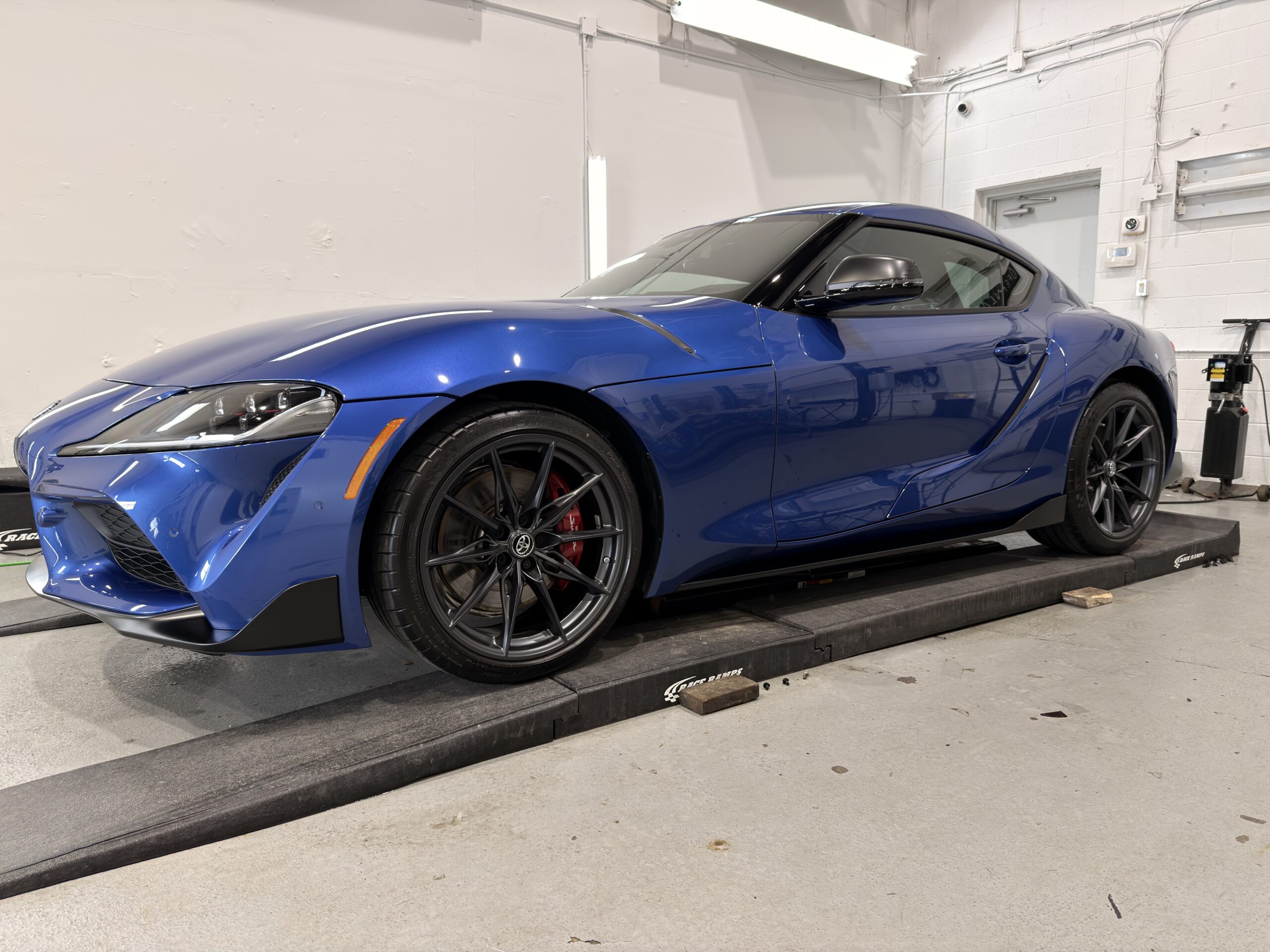
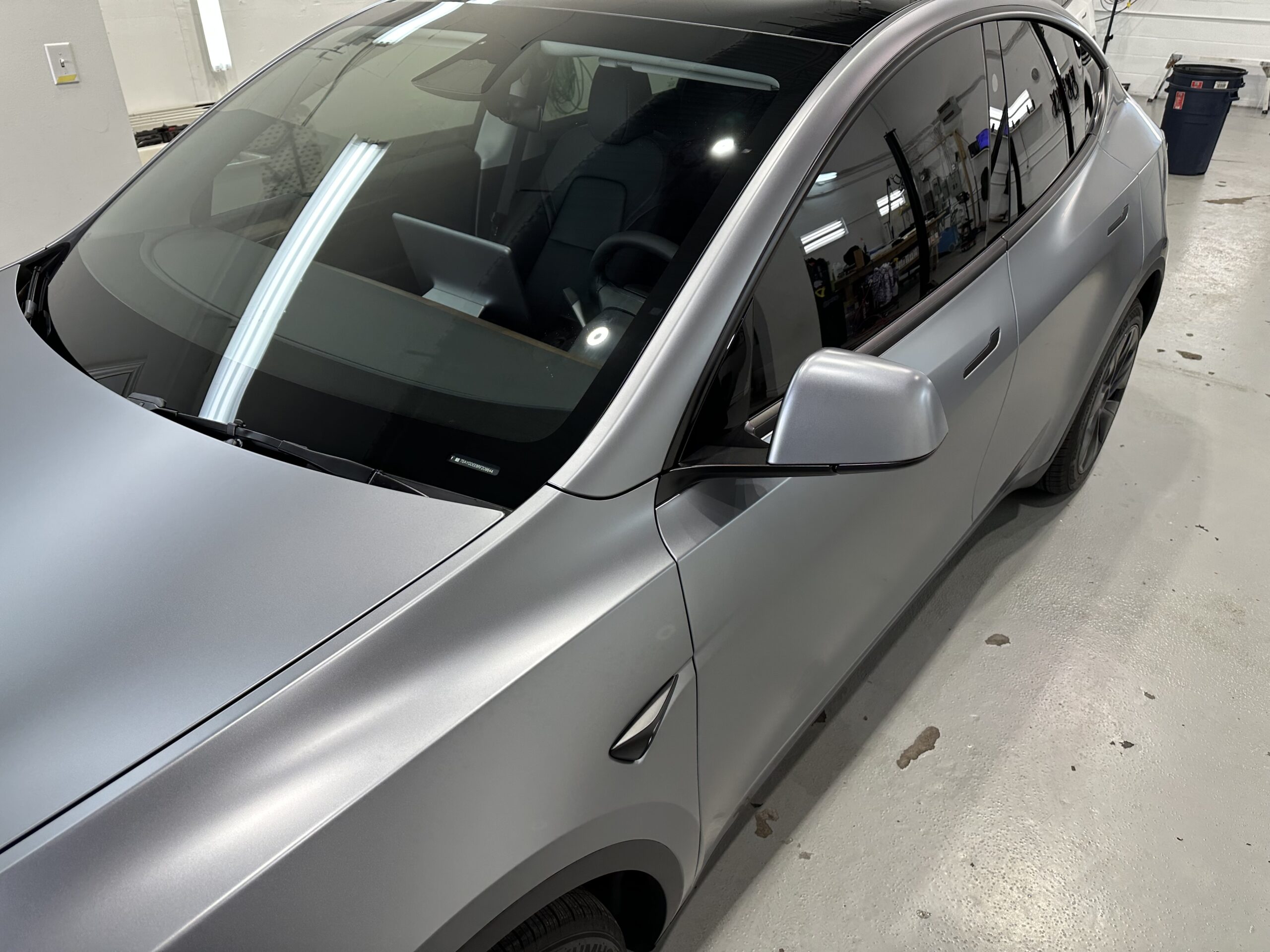
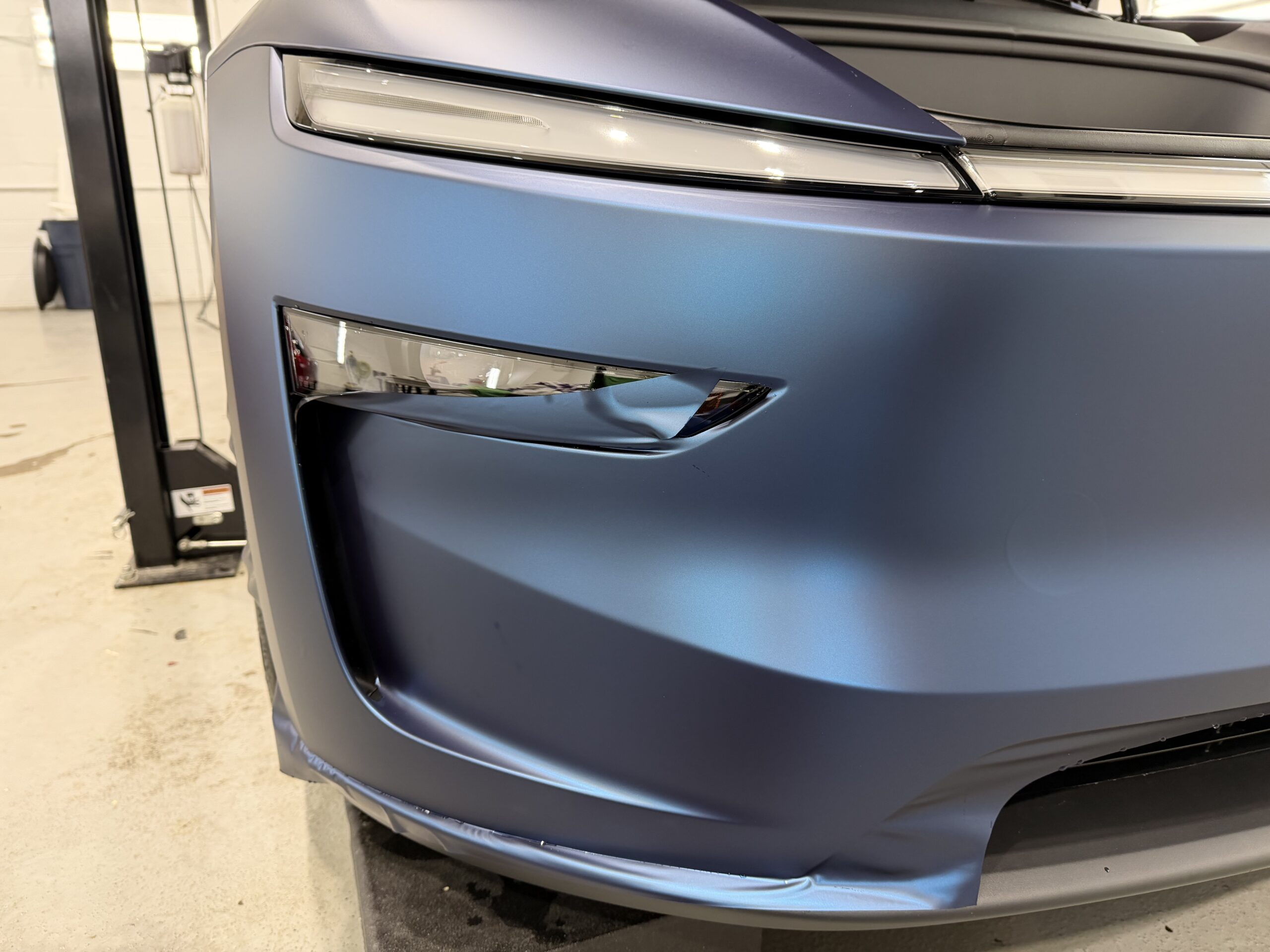
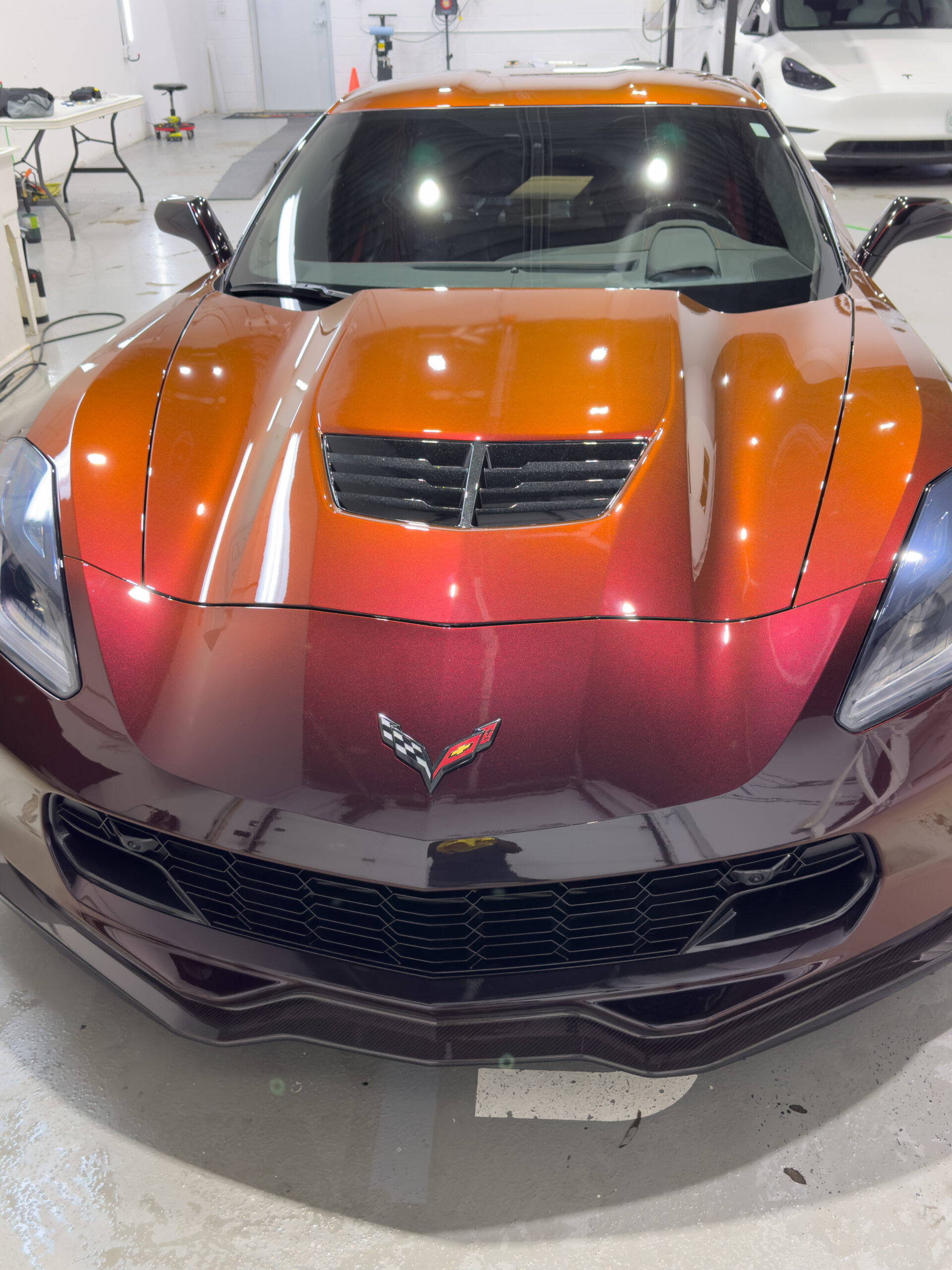
Packages exist because damage is not evenly distributed. The front of a car takes overwhelmingly more impact than the rear, so protection is usually bought front-first and extended outward from there.
Full hood, partial fenders, full front bumper, mirror faces, and headlights. The balanced entry point for everyday drivers who want the high-impact zone covered without full-panel pricing.
Full hood, full fenders, front bumper, mirror faces, and headlights. The right call for high-kilometre and highway-driven vehicles, and the most commonly chosen package.
Every exterior painted panel. Maximum long-term protection against chips, wash marring, and road rash. Best suited to premium, exotic, and long-term-ownership vehicles.
Rocker panels, door cups, A-pillars and roof edge, luggage loading area, and headlights can each be added individually to any package or installed on their own.
You can see exactly which panels each package covers using the interactive simulator on our paint protection film page. Windshield film is a separate service with its own considerations, covered in the windshield protection film guide.
This is the single most important thing in this guide. Premium film installed carelessly looks worse and fails sooner than mid-tier film installed with discipline. Edge wrapping, panel alignment, handling of complex curves, and knowing when to remove a panel for cleaner edge work are all installer variables, not product variables.
Ask any shop how they handle edges, whether they remove badges and trim, what their installation warranty covers, and how long the vehicle will be with them. Rushed PPF is bad PPF. Our guide on how to choose a PPF installer covers what to look for and what should concern you.
There are normally two, and they cover different things. The manufacturer warranty on premium film runs 10 years against defects such as yellowing, cracking, peeling, blistering, and delamination. The installation warranty is separate and shorter, covering workmanship faults like lifting or edge failure. Ours is one year. A shop that offers only one of the two is telling you something.
Film bonds to what is already there. Failing clearcoat, deep scratches, rust, or heavy existing stone damage all affect both install quality and the safety of future removal. Fresh repaints need to cure fully, typically 15 to 30 days depending on the system, and repainted panels should carry a signed waiver before film goes on. Any competent installer inspects paint before quoting.
Wait roughly 72 hours after installation before the first wash so edges fully set. After that, remove bird droppings and bug residue promptly rather than letting them sit, wash when panels are cool rather than hot, and avoid brush automatics. Touchless washes and normal pressure washing are fine; just avoid aiming high pressure directly into film edges.
An honest guide has to include this section. PPF is not correct for every vehicle, and the biggest package is not automatically the best recommendation.
Reconsider, or scale back, if:
For a garage-kept weekend car that sees little highway use, a ceramic coating alone often makes more sense than film. The right recommendation depends on how the vehicle is actually used, not on what generates the largest invoice.
For a daily-driven vehicle in the GTA that spends real time on the highway, a front-end package is one of the more defensible protection purchases available. It targets the exact zone that takes damage, it is removable, and it preserves the one thing on a car that cannot be perfectly restored.
For total coverage, the calculus shifts toward vehicle value and ownership horizon. On a premium or exotic car you intend to keep, full protection is straightforward to justify. On a mid-market car you will trade in three years, a targeted package almost always represents better value.
If you take one thing from this paint protection film guide, make it this: the genuinely wrong move is buying the largest package from the cheapest installer. Coverage and installation quality are not interchangeable, and of the two, installation is what determines whether the film performs or fails.
Premium self-healing film typically performs for 7 to 10 years or more, backed by a 10-year manufacturer warranty against yellowing, cracking, peeling, blistering, and delamination. Actual lifespan depends on film quality, sun exposure, climate, and how the vehicle is washed and stored.
Premium film professionally installed on healthy factory paint and removed by an experienced installer comes off cleanly without damaging the paint underneath. The risk factors are paint that was already compromised, cheap entry-level film, film left on far past its service life, or improper removal technique.
Yes, within defined limits. The topcoat closes light swirl marks and surface scratches when warmed by the sun or hot water. It does not repair deep gouges or damage that has pierced through the film.
Yes, and for many owners it is the most complete setup. A coating formulated for film surfaces adds gloss, chemical resistance, and easier cleaning on top of the impact protection the film already provides.
Modern premium film resists yellowing for the life of the film. Older generations of PPF were prone to it under UV exposure, but current self-healing polyurethane films use UV stabilisers that hold clarity for years.
Most full frontal installations take 2 to 3 days. Total coverage typically runs 5 to 7 days depending on the vehicle, the panels involved, and any panel removal required. Smaller add-ons can usually be completed in a day.
Wherever panel geometry allows, including hoods, doors, fenders, and trunks. Where wrapping is not feasible by design, film is aligned precisely to the panel edge for the cleanest possible finish.
Tell us how you drive, how long you plan to keep the car, and what matters most to you. We will recommend the coverage that fits rather than the one with the biggest line item, and we will tell you if PPF is not the right call.
In our customers’ words
Paint protection film
“I have had no problems at all (its been 7 years actually) and my car still looks new !”
Customer care
“The owner is very friendly, and the craftsmanship is excellent.”
PPF & window tint
“The attention to detail was unparalleled and he took the time to walk me through his process along with showing me around the shop.”