Paint Protection Film
Film brand is the easiest thing to compare and the least likely to decide your outcome. Here is what actually separates an install that ages well from one that does not.
At a Glance
What matters most? Installation quality, not film brand.
What to ask about? The service warranty, meaning labour, not just the film.
What to look at? Close-up edges, not glossy hero shots.
Biggest red flag? A shop that talks about film brand and not about process.
If you are trying to choose a PPF installer, start here: paint protection film materials today are generally very good. Across the premium tier, the differences between films are real but modest, and they are not what most owners end up unhappy about.
In real ownership, outcomes are shaped far more by surface preparation, installation discipline, and post-install support than by which film went on the car. A premium film applied with inconsistent process can fail early. A quality film installed with care can look exceptional for years.
Choosing the installer first and the material second is usually the safer decision. It is also the harder one, because film brands are easy to compare on a website and installation quality is not.
That is the real problem this guide is trying to solve. Everything below is about how to assess the thing that actually matters, using evidence you can see before you book.
These are photographs of paint protection film that did not age well. None of them are our work. They came into our studio for removal or correction, and they are the clearest argument we can make about why installation matters.
Every one of these vehicles arrived for correction or removal. None of them were installed by us.
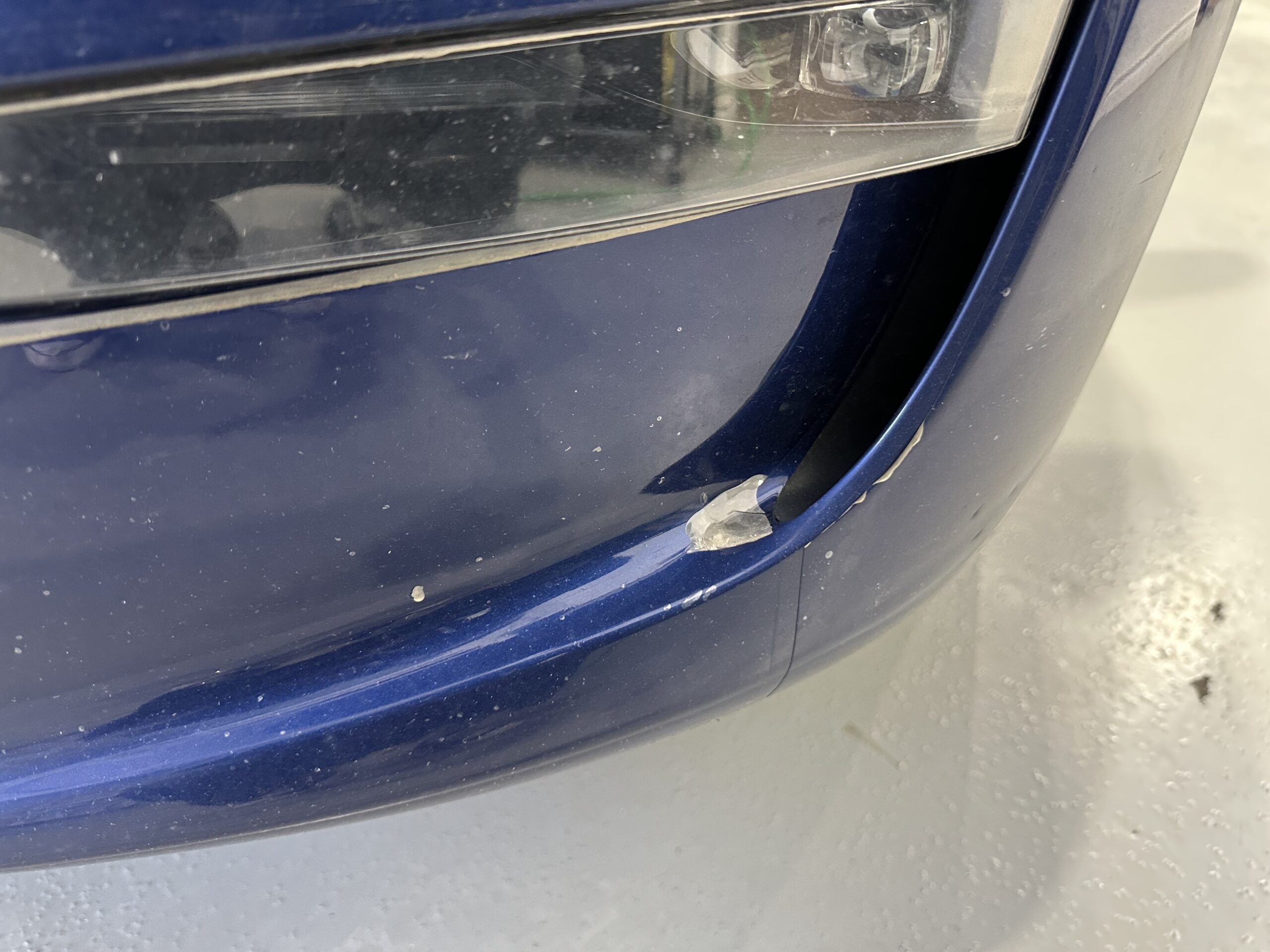
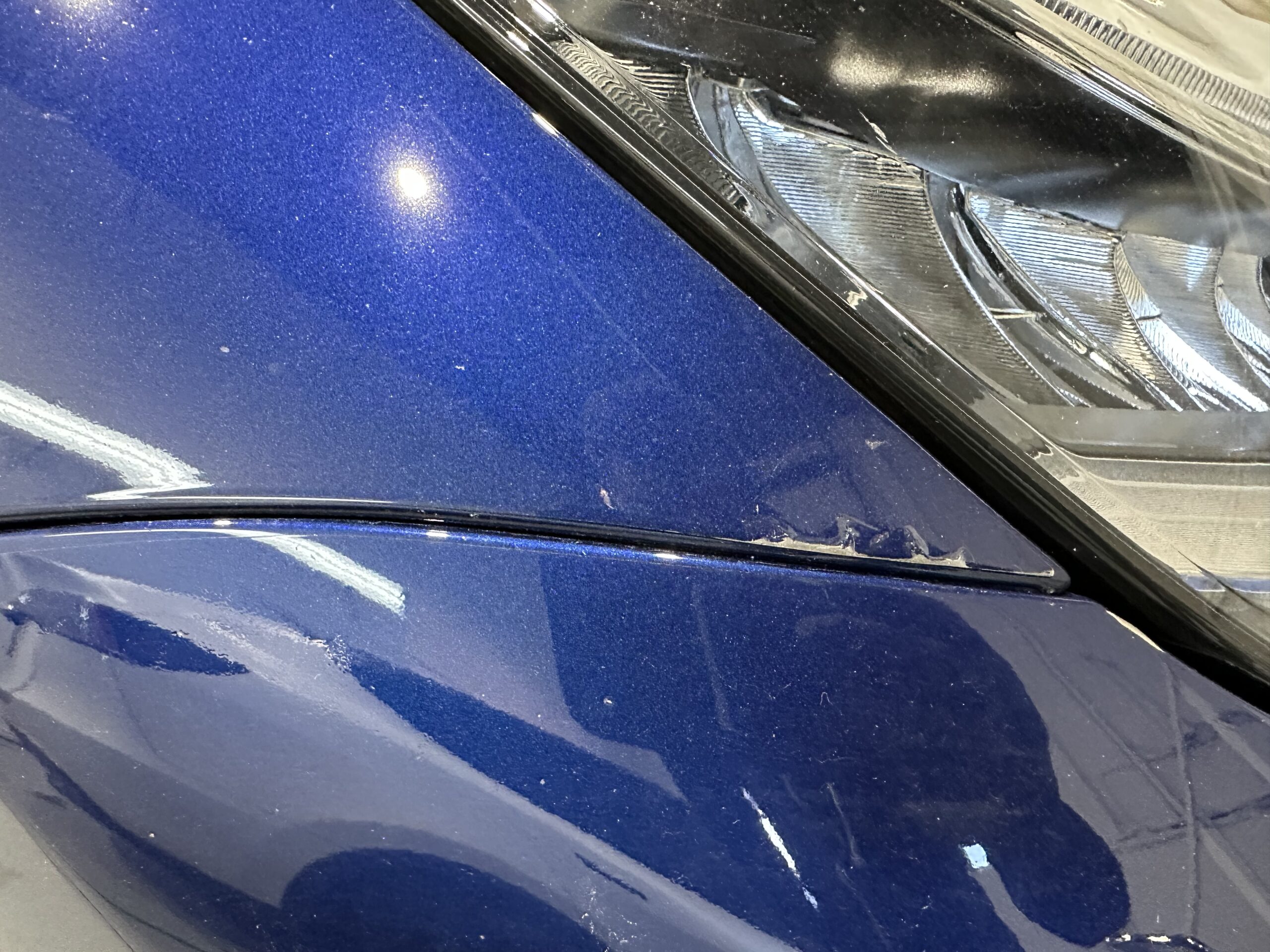
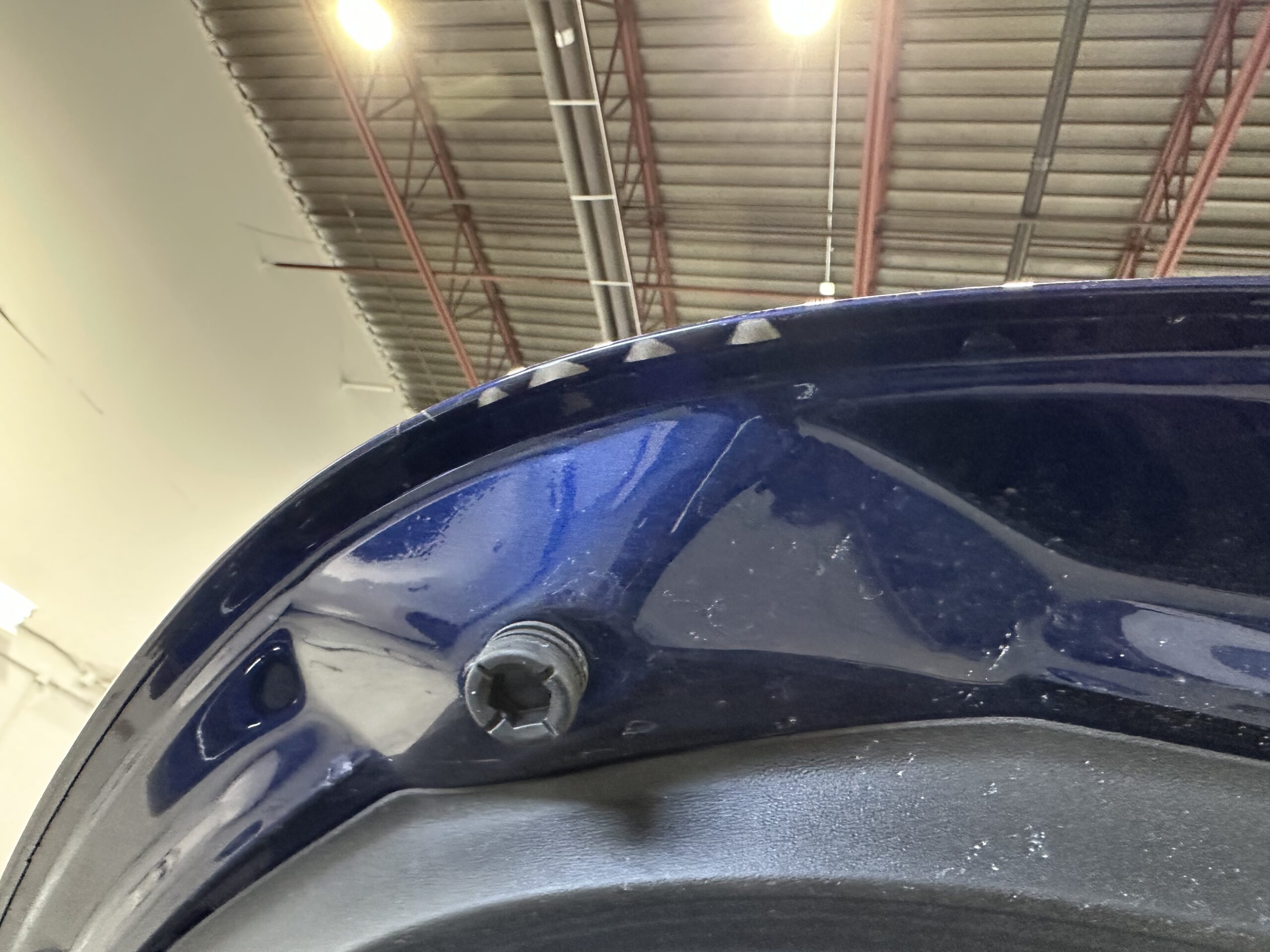
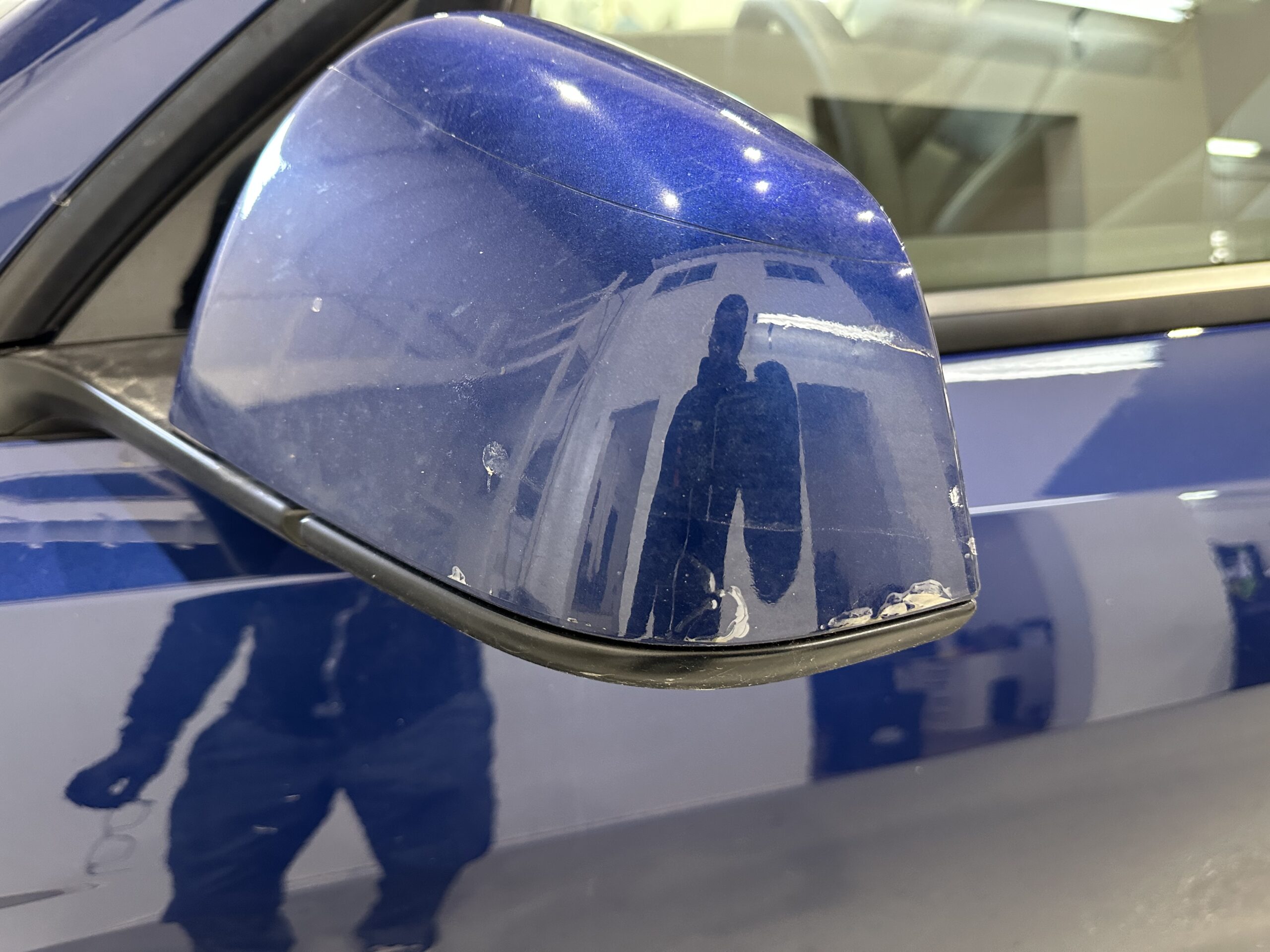
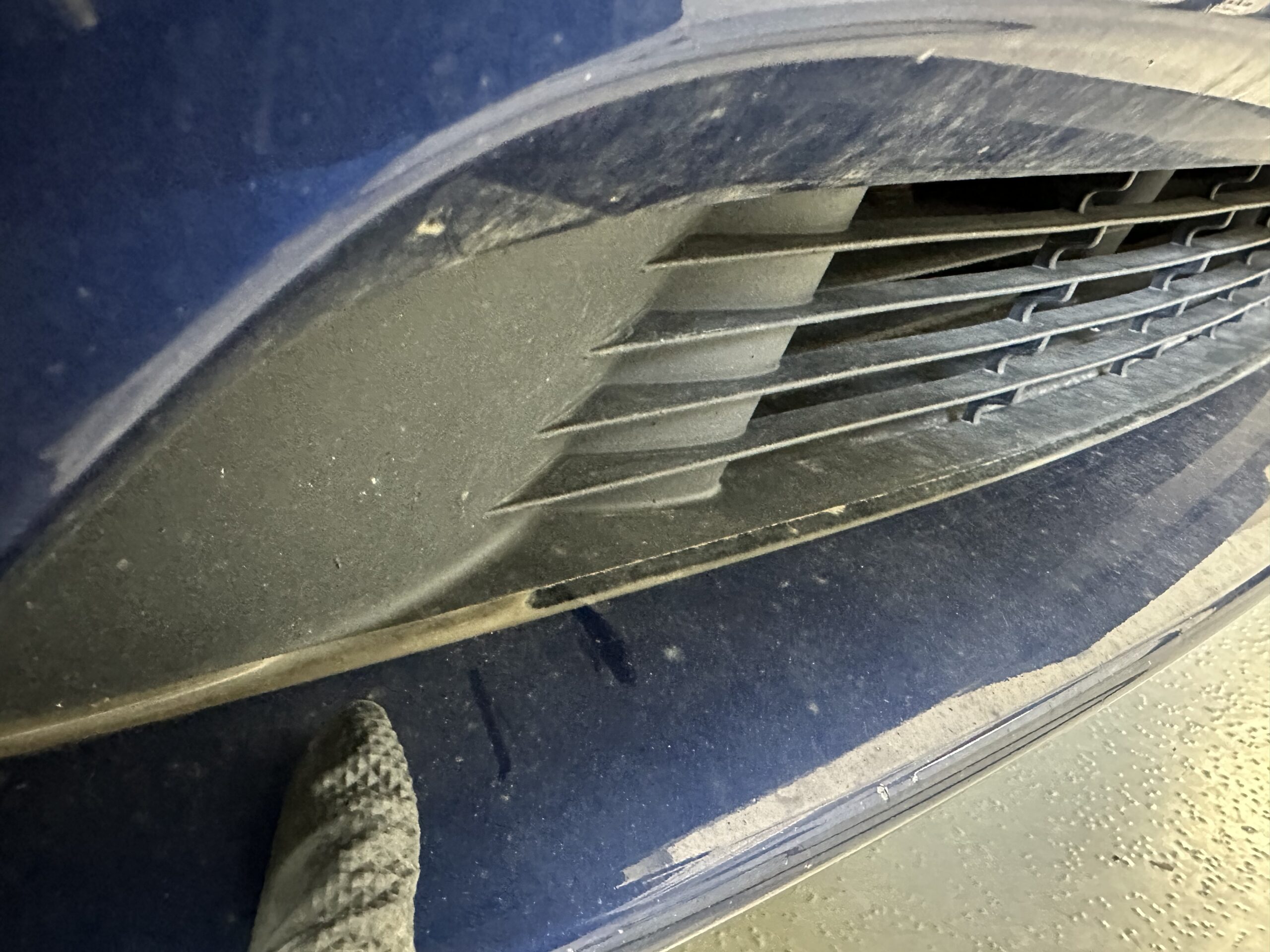
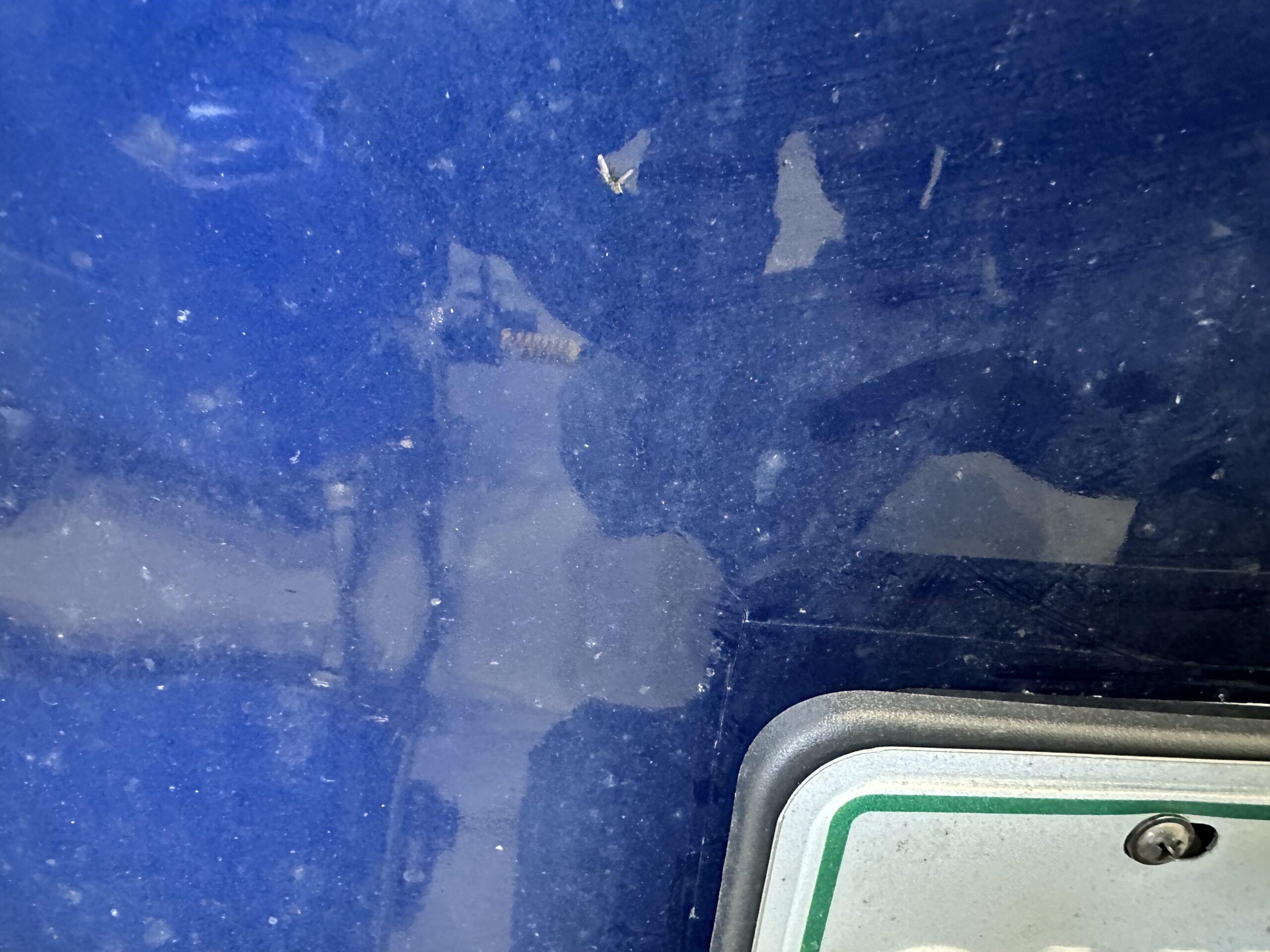
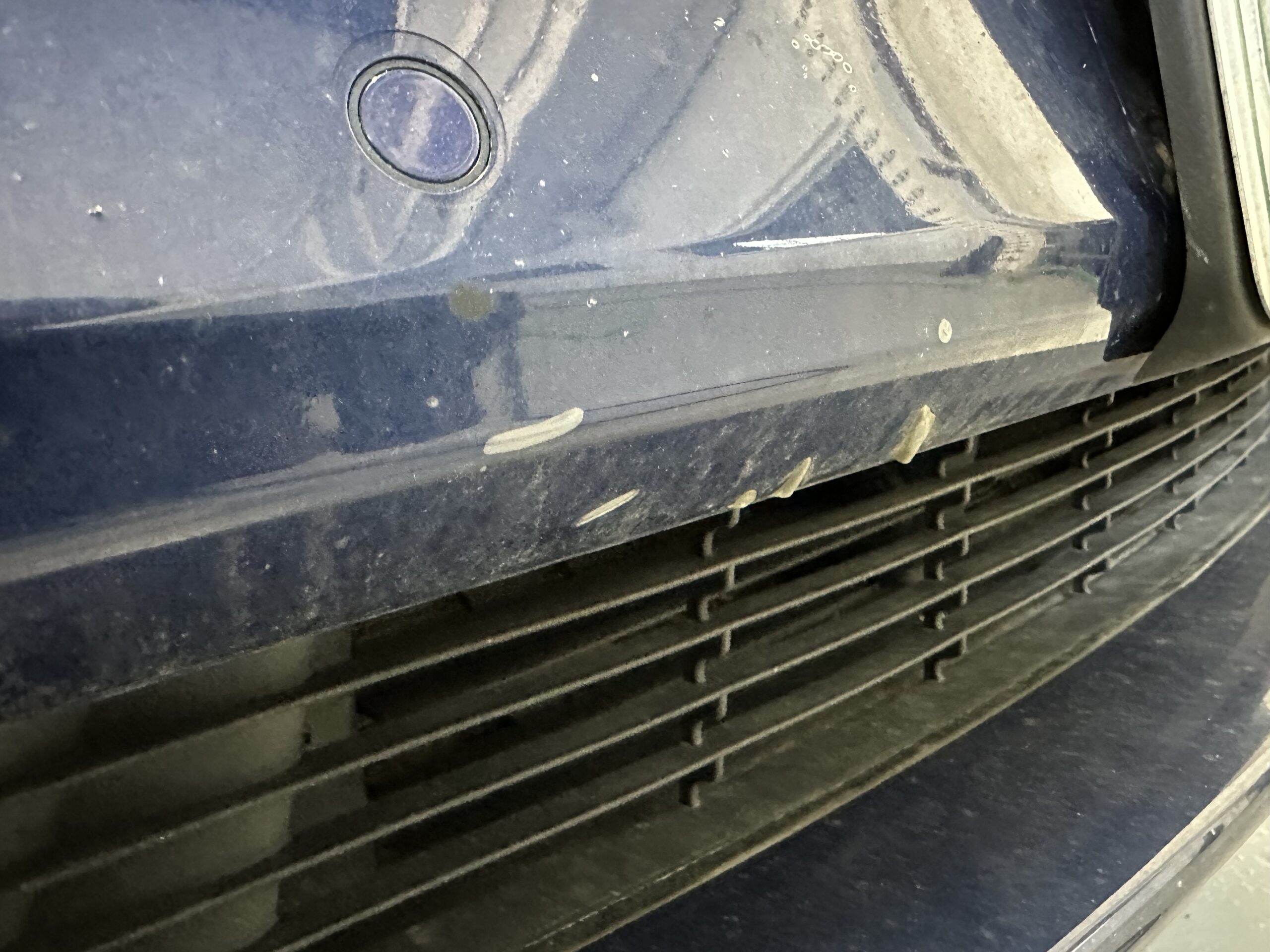
The patterns repeat, and they are worth knowing by name, because they are what you are looking for when you inspect a shop's own work.
What tends to go wrong:
Over the years we have removed and replaced film from vehicles carrying every major premium brand. The common thread was rarely the material. More often it was rushed preparation, inconsistent installation, or a lack of support after the vehicle left the shop. That is one of the reasons we believe choosing the right installer matters more than choosing between two premium films.
Warranties are the most misunderstood part of this decision, and the confusion works in favour of shops that would rather not be held to anything.
Covers defects in the film itself, typically yellowing, cracking, peeling, blistering, and delamination. It comes from the film maker, runs for years, and says nothing whatsoever about the quality of the installation.
Comes from the installer and covers workmanship. Lifting, edge failure, and installation faults. It is shorter, it is the one that actually reflects accountability, and plenty of shops do not offer one.
A shop offering only a manufacturer warranty may indicate it relies primarily on the manufacturer's coverage rather than offering its own workmanship protection. That is worth asking about directly, since some very good installers simply have never formalised one in writing.
Clarify before booking:
Ask whether the shop stands behind both the product and the installation. A good manufacturer warranty matters, but so does knowing the installer will be there if you ever need them.
Paint protection film installation depends on a controlled environment more than most people realise. Airborne dust becomes permanent contamination the moment film goes down over it. Temperature affects how film forms and how adhesive behaves.
A clean, organised studio with proper heating and cooling lets the work be carried out consistently without fighting environmental variables. It is not a luxury detail. It is a direct input to the finished result.
A well-kept space also tells you something about the mindset of the installer. When the environment is orderly, the process usually is too, and that care tends to carry through to the vehicle. A clean studio does not guarantee a great installer, but a neglected workspace rarely produces meticulous work. If you are shortlisting shops, ask to see where the work actually happens.
Look past the glossy hero shot. Ask for close-ups of edge finishing, transitions, and complex areas like mirror caps, bumper vents, and door handle recesses. Those details determine how an install ages.
Consistent outcomes come from consistent process. Clean preparation, controlled installs, and patience matter far more than turnaround speed. A shop that promises a same-day full front is telling on itself.
A strong installer explains options, limitations, and expectations plainly, including what the film will not do. Transparency early prevents disappointment later.
A shop that inspects your paint and tells you it needs correcting first, or that a smaller package suits your driving better, is a shop worth trusting with the larger job.
These help you choose a PPF installer on process, accountability, and support rather than on marketing.
Quotes for the same coverage can vary widely, and the spread itself is informative if you know what drives it.
Paint protection film is expensive material and slow, skilled labour. A quote well below the rest of your shortlist is not a bargain that others missed. It often reflects a lower tier of film, less disassembly, faster turnaround, edges trimmed rather than wrapped, or no service warranty. Sometimes several of those at once.
The reverse is also worth testing. A high quote should come with an explanation of what the extra buys, whether that is more panel removal, a higher film tier, or longer time in the bay. If a shop cannot articulate where the money goes, that is its own answer.
The useful comparison is never price alone. It is price against coverage, film tier, disassembly, time, and what happens afterwards if something needs attention.
Taking the time to choose a PPF installer carefully is usually the difference between short-term satisfaction and long-term confidence.
If you are still deciding what coverage you need, our paint protection film guide walks through the packages, and is PPF worth it in the GTA covers whether it makes sense for how you drive.
Film quality matters, and there is a genuine difference between premium and entry-level material. But among quality films, installation and service warranty have a far greater impact on long-term satisfaction. Most complaints we see about PPF are installation problems, not material problems.
A manufacturer warranty covers defects in the film, such as yellowing, cracking, or delamination, and comes from the film maker. A service warranty comes from the installer and covers workmanship, such as lifting or edge failure. They cover completely different risks, and you want both.
Ask for close-up photographs of edges, transitions, and complex areas on recent work, and ask to see the workspace. Those two things tell you more than any brochure. A shop confident in its work will not hesitate on either.
Most full frontal installations take two to three days. Total coverage typically runs five to seven days depending on the vehicle, the panels involved, and how much disassembly is required. Smaller add-ons can often be done in a day. A shop promising a full front in an afternoon is telling you something about how the work will be done, since prep, panel removal, and careful edge work simply take time.
Rarely. A quote well below the others usually reflects a lower film tier, less disassembly, faster turnaround, trimmed rather than wrapped edges, or no service warranty. Ask what differs rather than assuming you found a bargain.
Vehicles with clean, undamaged paint present better and are easier to sell. Film does not guarantee a higher figure, but it removes a reason for a buyer to negotiate down and reduces cosmetic repair before listing. That holds only if it was installed and maintained properly.
That is a conversation to have before booking, not after. Failing clearcoat, deep scratches, or rust affect both install quality and the safety of future removal, and fresh repaints need to cure fully first. Any competent shop inspects paint before quoting.
Share your vehicle details and how you plan to use it. You will get a straightforward coverage recommendation, realistic expectations, and an honest answer if a smaller package suits you better.