
Comparison Guide
PPF vs Ceramic Coating: Which One Your Car Actually Needs
A PPF vs ceramic coating comparison that does not pretend they compete. They solve different problems, and knowing which problem you have is the whole decision.
At a Glance
Drive highways daily? Paint protection film.
Want gloss and easy washing? Ceramic coating.
Want the strongest result? Both, layered. Film on the impact zone, coating over the top.
Short low-kilometre lease? Possibly neither.
What this comparison covers
The Short Answer
If you want to stop rock chips, you need paint protection film. If you want gloss, easier washing, and chemical resistance, you want a ceramic coating. If you want both, you install film on the panels that take impact and coat over the top.
The single most important fact in any PPF vs ceramic coating comparison: a ceramic coating will not stop a stone chip. It is measured in micrometres. No liquid coating, at any price or tier, absorbs physical impact. Claims that a ceramic coating prevents rock chips usually stem from marketing language rather than real-world impact protection.
Where the confusion comes from
Most of it traces back to one number: 9H hardness. That rating comes from a pencil hardness test, which measures resistance to scratching from a graphite point under controlled conditions. It says nothing about resistance to rocks or road debris. A ceramic coating genuinely outperforms wax against light wash marring and swirl marks, and 9H is a fair way to express that. What it cannot do is absorb the force of a stone travelling at highway speed. Two different kinds of hardness, one shared number.
That one distinction resolves most of the confusion. Everything below is detail on top of it.
What Each Product Actually Is
Paint protection film
PPF is a transparent thermoplastic urethane film that acts as a physical barrier over your paint, typically around 8 mil thick and bonded directly to your painted panels. It is a sacrificial layer: it takes damage so the factory paint underneath does not. When it has absorbed enough abuse, you replace the film and the paint beneath is untouched. Premium film is self-healing, meaning the topcoat reflows and closes light scratches and wash marring with heat from the sun.
Ceramic coating
A ceramic coating is a liquid formula that chemically bonds to the surface and cures into a hard, transparent, hydrophobic layer. It is measured in micrometres rather than mils. It raises gloss, makes contaminants far less likely to stick, resists chemical etching from things like bird droppings and road salt, and makes the vehicle dramatically easier to wash. It does not add meaningful physical thickness, so it does not absorb impact.
Two different materials solving two different problems. The comparison below is not about which is better, because that question does not have an answer.
PPF vs Ceramic Coating: Six Differences That Matter
1. What they protect against
Southern Ontario highways carry significant sand, gravel, and road salt through much of the year, which makes the front of a daily-driven vehicle especially vulnerable. PPF defends against exactly that physical damage: rock chips, road debris, light scratches, and abrasion. Ceramic defends against chemical and environmental damage: etching, staining, contamination, and UV. Both help with UV exposure, but only film handles impact.
2. Thickness
Film is roughly 8 mil. Coating is a few micrometres. That difference is not a detail, it is the entire reason one absorbs a stone strike and the other does not.
3. Lifespan
Premium PPF carries a 10-year manufacturer warranty against yellowing, cracking, peeling, blistering, and delamination, and typically performs for 7 to 10 years or more. Ceramic longevity depends on the tier: our automotive coatings run 2 years at the Select tier, 4 at Elite, and 6 at Signature. Both are multi-year products. Neither is permanent. For a closer look at coating durability and the distinction between lifespan and warranty coverage, read how long ceramic coating lasts.
4. Appearance
Clear PPF is designed to be invisible, preserving the factory finish exactly. It can also deliberately change the look if you want it to, through stealth matte or coloured film. Ceramic amplifies what is already there, adding depth and a sharper reflection. If your goal is purely visual impact per dollar, ceramic wins that narrow contest.
5. Maintenance
Ceramic is the clear winner on ease of cleaning. Water sheets off, dirt struggles to bond, and wash time drops noticeably. PPF has a hydrophobic topcoat too, but a coating on top of film is what actually delivers the low-maintenance experience most people are imagining. Our ceramic coating maintenance guide covers safe washing, drying, and the recommended care schedule.
6. Cost
PPF is the larger investment because the material is expensive and the installation is slow, skilled work. Ceramic is more accessible, with published tier pricing on our automotive ceramic coating page. The honest way to compare is not sticker price but cost against what each one prevents. Film prevents chip repair and paint respray. Coating prevents etching and saves you time. Neither product guarantees a higher resale figure, but preserving original paint makes a vehicle more attractive to future buyers and reduces the need for cosmetic paint repair before sale.
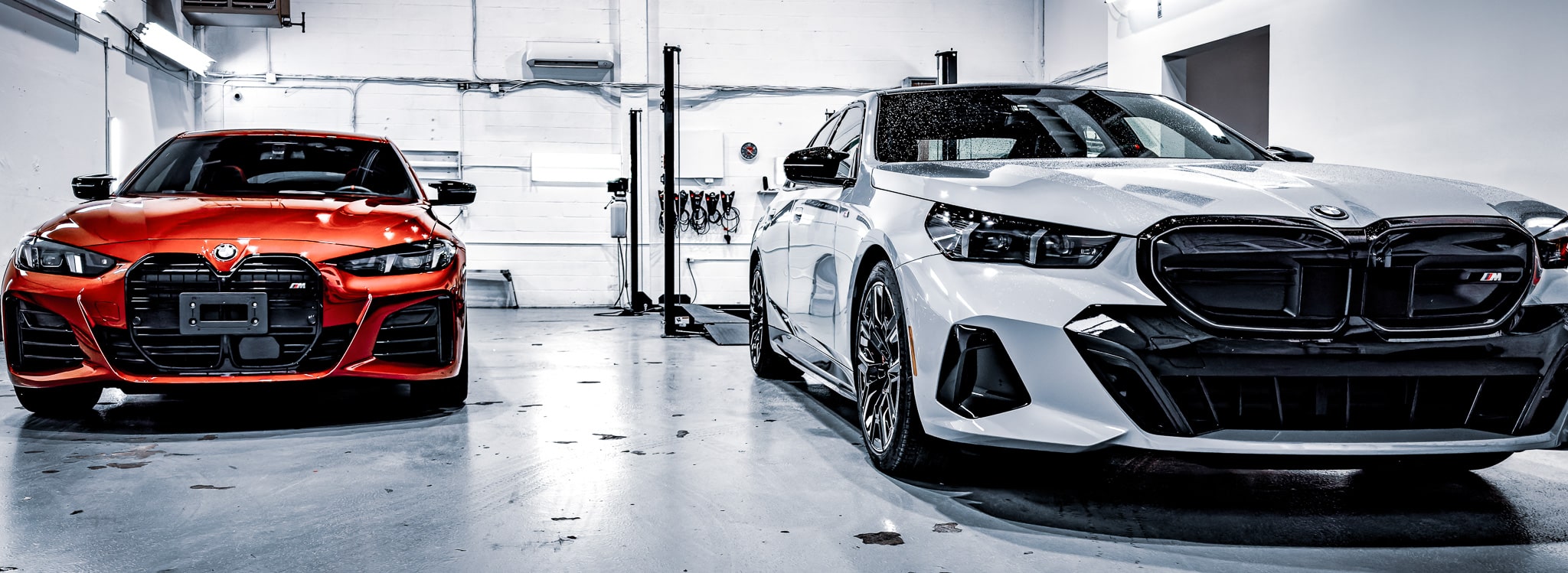
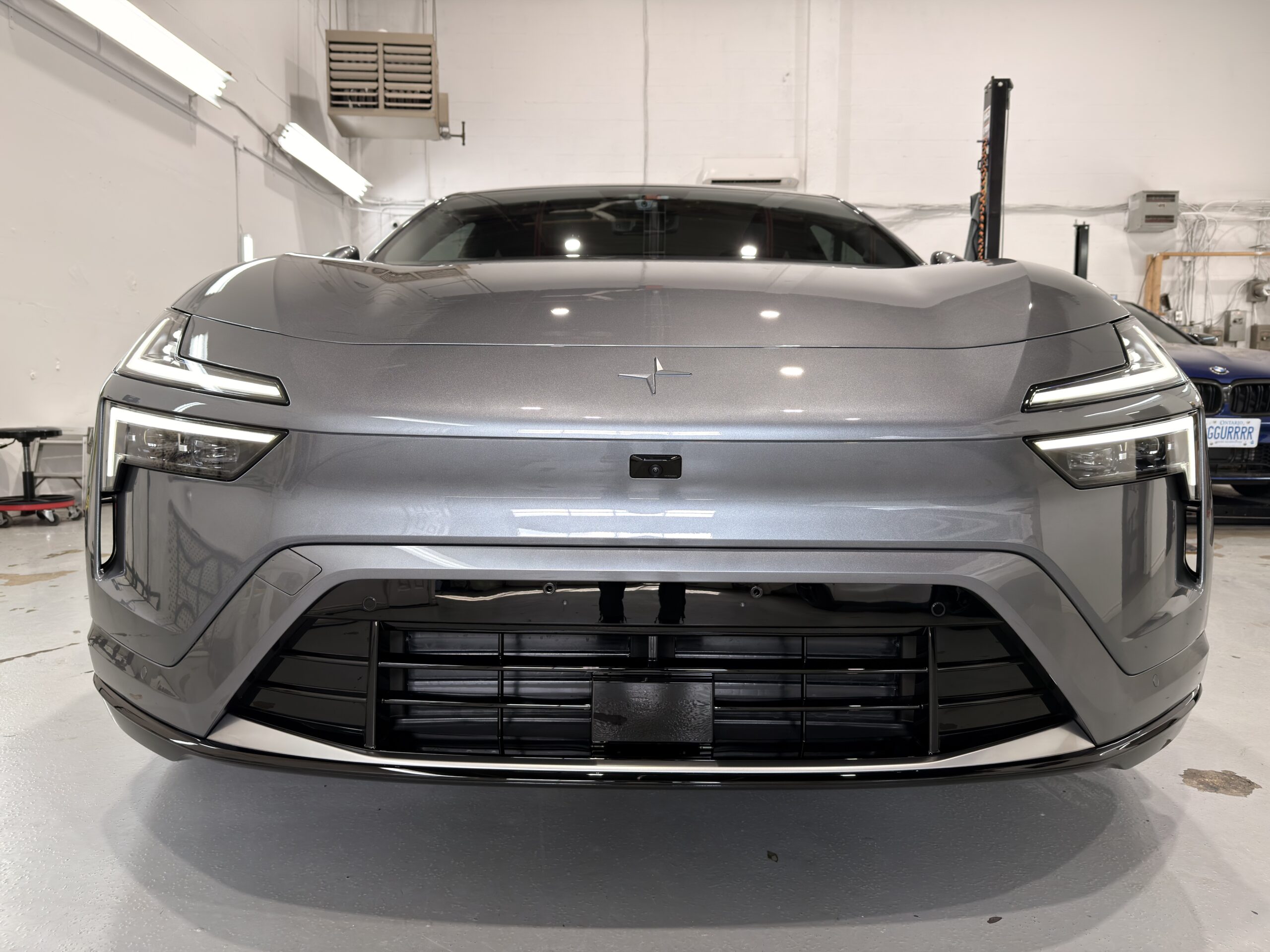
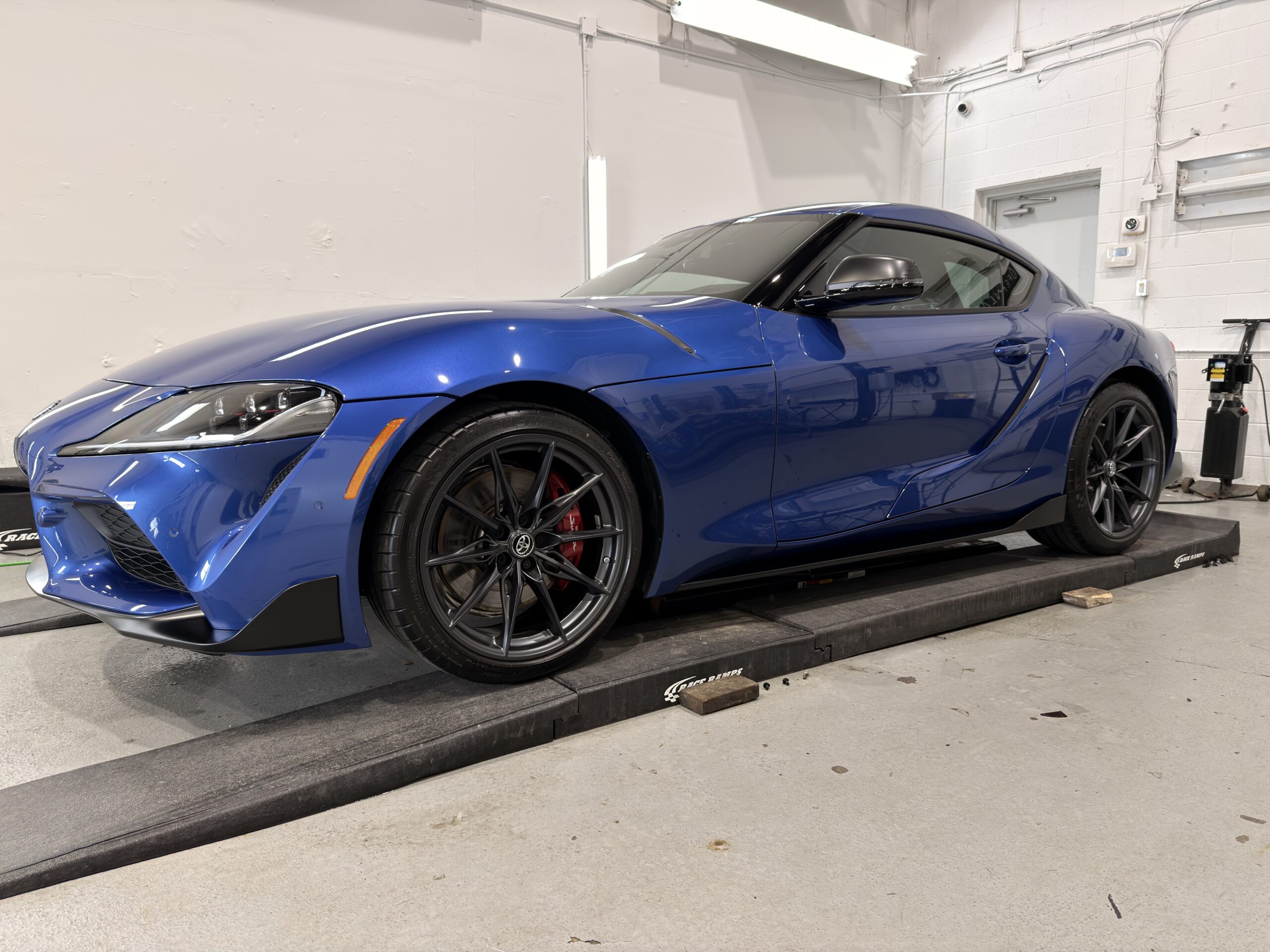
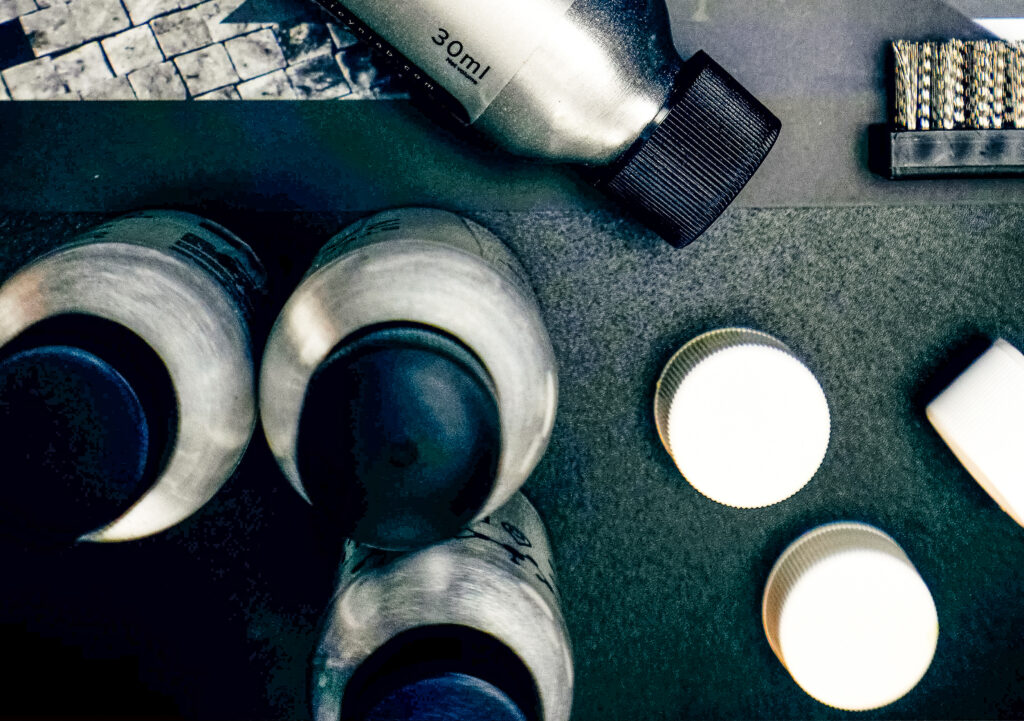
Both, on real vehicles
Film on the panels that take impact, coating over the top for gloss and easier upkeep.
Why It Is Usually Not Either/Or
Framing this as PPF vs ceramic coating is useful for understanding the products, but it is not how most good outcomes actually get built. The strongest setup is layered: film on the impact zone, coating across everything including over the film.
What layering gets you:
- The film absorbs chips and debris on the panels that actually get hit
- The coating adds gloss and hydrophobics to the whole vehicle, film and bare paint alike
- The coating makes the film easier to clean and helps it stay clear
- Uncovered panels still get chemical and UV protection
We install a ceramic formulated specifically for film and vinyl surfaces, because coating over PPF is not the same job as coating bare paint. Adhesion and cure behave differently.
Which One Fits Your Situation
Daily highway driver
Film first, on the front end. The 401, 404, 400, 407, and DVP will chip a bare front bumper and hood, and no coating changes that. Add ceramic after if budget allows.
Garage-kept weekend car
Ceramic first. Low kilometres and little highway exposure means impact risk is genuinely low, and you get the gloss and easy washing you actually care about.
New premium or exotic
Both, planned together before the first wash. Paint is in ideal condition, and this is where full coverage plus a coating is easiest to justify.
Leased vehicle
Depends on term and kilometres. A front-end film package can avoid chip charges at return. On a short low-kilometre lease, often neither is worth it.
For a deeper look at whether film earns its cost in this specific market, see is PPF worth it in the GTA. For the full breakdown of film itself, read our paint protection film guide.
What We Actually Install
Our body film comes from Autobahn Performance Films, including the Incognito line, backed by a no-hassle manufacturer warranty. Windshield film is ULTRAFIT WinCrest EVO. Both are available only through authorised installers.
On the coating side we are an authorised GlossTech ProSeries installer, with three automotive tiers plus specialty coatings for wheels, brake calipers, glass, and for PPF and vinyl surfaces. Full details and tier pricing are on the automotive ceramic page.
Worth saying plainly: in a PPF vs ceramic coating decision, installer skill matters more than brand on both sides. A premium coating applied over poorly prepped paint locks in the defects. Premium film installed carelessly lifts at the edges. Our guide on choosing a PPF installer covers what to ask any shop.
Common Questions
Can a ceramic coating stop rock chips?
No. A coating is measured in micrometres and adds no meaningful physical thickness. It resists chemical etching, staining, and contamination, and it makes washing easier, but it cannot absorb impact. Only paint protection film does that.
Can I put a ceramic coating on top of PPF?
Yes, and for many owners it is the ideal setup. We use a coating formulated for film and vinyl surfaces, since coating over PPF behaves differently from coating bare paint. It adds gloss, improves cleaning, and helps the film stay clear.
Is PPF worth it if I already have a ceramic coating?
Yes. A coating protects against contamination and makes washing easier, but it does not stop impact damage. Paint protection film can still be installed over previously coated paint after proper preparation, giving you physical protection where it is actually needed. The prep step matters: the coating has to be corrected back so the film bonds properly. Our guide to paint correction before protection explains how paint condition affects the preparation plan.
Which should I do first if I can only afford one?
It depends on how you drive. Highway kilometres mean film first, on the front end, because chips are the damage you cannot undo. A garage-kept low-kilometre car gets more real value from a coating.
How long does each one last?
Premium PPF carries a 10-year manufacturer warranty and typically performs 7 to 10 years or more. Our automotive ceramic tiers run 2 years at Select, 4 at Elite, and 6 at Signature. Both depend on care, storage, and sun exposure.
Is ceramic coating just an expensive wax?
No. Wax sits on the surface and lasts weeks to months. A ceramic coating chemically bonds and cures into a hard layer measured in years. The chemistry and the durability are genuinely different.
Does either damage my paint on removal?
Premium film installed on healthy factory paint and removed by an experienced installer comes off cleanly. Ceramic coatings wear down gradually rather than being peeled off, and are removed by polishing when the time comes.
Still not sure which one you need?
Tell us how you drive, where the car is parked, and how long you plan to keep it. We will tell you honestly whether you need film, a coating, both, or neither. Sometimes the answer is neither, and we will say so.
Comparison Guide
PPF vs Ceramic Coating: Which One Your Car Actually Needs
A PPF vs ceramic coating comparison that does not pretend they compete. They solve different problems, and knowing which problem you have is the whole decision.
At a Glance
Drive highways daily? Paint protection film.
Want gloss and easy washing? Ceramic coating.
Want the strongest result? Both, layered. Film on the impact zone, coating over the top.
Short low-kilometre lease? Possibly neither.
What this comparison covers
The Short Answer
If you want to stop rock chips, you need paint protection film. If you want gloss, easier washing, and chemical resistance, you want a ceramic coating. If you want both, you install film on the panels that take impact and coat over the top.
The single most important fact in any PPF vs ceramic coating comparison: a ceramic coating will not stop a stone chip. It is measured in micrometres. No liquid coating, at any price or tier, absorbs physical impact. Claims that a ceramic coating prevents rock chips usually stem from marketing language rather than real-world impact protection.
Where the confusion comes from
Most of it traces back to one number: 9H hardness. That rating comes from a pencil hardness test, which measures resistance to scratching from a graphite point under controlled conditions. It says nothing about resistance to rocks or road debris. A ceramic coating genuinely outperforms wax against light wash marring and swirl marks, and 9H is a fair way to express that. What it cannot do is absorb the force of a stone travelling at highway speed. Two different kinds of hardness, one shared number.
That one distinction resolves most of the confusion. Everything below is detail on top of it.
What Each Product Actually Is
Paint protection film
PPF is a transparent thermoplastic urethane film that acts as a physical barrier over your paint, typically around 8 mil thick and bonded directly to your painted panels. It is a sacrificial layer: it takes damage so the factory paint underneath does not. When it has absorbed enough abuse, you replace the film and the paint beneath is untouched. Premium film is self-healing, meaning the topcoat reflows and closes light scratches and wash marring with heat from the sun.
Ceramic coating
A ceramic coating is a liquid formula that chemically bonds to the surface and cures into a hard, transparent, hydrophobic layer. It is measured in micrometres rather than mils. It raises gloss, makes contaminants far less likely to stick, resists chemical etching from things like bird droppings and road salt, and makes the vehicle dramatically easier to wash. It does not add meaningful physical thickness, so it does not absorb impact.
Two different materials solving two different problems. The comparison below is not about which is better, because that question does not have an answer.
PPF vs Ceramic Coating: Six Differences That Matter
1. What they protect against
Southern Ontario highways carry significant sand, gravel, and road salt through much of the year, which makes the front of a daily-driven vehicle especially vulnerable. PPF defends against exactly that physical damage: rock chips, road debris, light scratches, and abrasion. Ceramic defends against chemical and environmental damage: etching, staining, contamination, and UV. Both help with UV exposure, but only film handles impact.
2. Thickness
Film is roughly 8 mil. Coating is a few micrometres. That difference is not a detail, it is the entire reason one absorbs a stone strike and the other does not.
3. Lifespan
Premium PPF carries a 10-year manufacturer warranty against yellowing, cracking, peeling, blistering, and delamination, and typically performs for 7 to 10 years or more. Ceramic longevity depends on the tier: our automotive coatings run 2 years at the Select tier, 4 at Elite, and 6 at Signature. Both are multi-year products. Neither is permanent.
4. Appearance
Clear PPF is designed to be invisible, preserving the factory finish exactly. It can also deliberately change the look if you want it to, through stealth matte or coloured film. Ceramic amplifies what is already there, adding depth and a sharper reflection. If your goal is purely visual impact per dollar, ceramic wins that narrow contest.
5. Maintenance
Ceramic is the clear winner on ease of cleaning. Water sheets off, dirt struggles to bond, and wash time drops noticeably. PPF has a hydrophobic topcoat too, but a coating on top of film is what actually delivers the low-maintenance experience most people are imagining.
6. Cost
PPF is the larger investment because the material is expensive and the installation is slow, skilled work. Ceramic is more accessible, with published tier pricing on our automotive ceramic coating page. The honest way to compare is not sticker price but cost against what each one prevents. Film prevents chip repair and paint respray. Coating prevents etching and saves you time. Neither product guarantees a higher resale figure, but preserving original paint makes a vehicle more attractive to future buyers and reduces the need for cosmetic paint repair before sale.
Both, on real vehicles
Film on the panels that take impact, coating over the top for gloss and easier upkeep.
Why It Is Usually Not Either/Or
Framing this as PPF vs ceramic coating is useful for understanding the products, but it is not how most good outcomes actually get built. The strongest setup is layered: film on the impact zone, coating across everything including over the film.
What layering gets you:
- The film absorbs chips and debris on the panels that actually get hit
- The coating adds gloss and hydrophobics to the whole vehicle, film and bare paint alike
- The coating makes the film easier to clean and helps it stay clear
- Uncovered panels still get chemical and UV protection
We install a ceramic formulated specifically for film and vinyl surfaces, because coating over PPF is not the same job as coating bare paint. Adhesion and cure behave differently.
Which One Fits Your Situation
Daily highway driver
Film first, on the front end. The 401, 404, 400, 407, and DVP will chip a bare front bumper and hood, and no coating changes that. Add ceramic after if budget allows.
Garage-kept weekend car
Ceramic first. Low kilometres and little highway exposure means impact risk is genuinely low, and you get the gloss and easy washing you actually care about.
New premium or exotic
Both, planned together before the first wash. Paint is in ideal condition, and this is where full coverage plus a coating is easiest to justify.
Leased vehicle
Depends on term and kilometres. A front-end film package can avoid chip charges at return. On a short low-kilometre lease, often neither is worth it.
For a deeper look at whether film earns its cost in this specific market, see is PPF worth it in the GTA. For the full breakdown of film itself, read our paint protection film guide.
What We Actually Install
Our body film comes from Autobahn Performance Films, including the Incognito line, backed by a no-hassle manufacturer warranty. Windshield film is ULTRAFIT WinCrest EVO. Both are available only through authorised installers.
On the coating side we are an authorised GlossTech ProSeries installer, with three automotive tiers plus specialty coatings for wheels, brake calipers, glass, and for PPF and vinyl surfaces. Full details and tier pricing are on the automotive ceramic page.
Worth saying plainly: in a PPF vs ceramic coating decision, installer skill matters more than brand on both sides. A premium coating applied over poorly prepped paint locks in the defects. Premium film installed carelessly lifts at the edges. Our guide on choosing a PPF installer covers what to ask any shop.
Common Questions
Can a ceramic coating stop rock chips?
No. A coating is measured in micrometres and adds no meaningful physical thickness. It resists chemical etching, staining, and contamination, and it makes washing easier, but it cannot absorb impact. Only paint protection film does that.
Can I put a ceramic coating on top of PPF?
Yes, and for many owners it is the ideal setup. We use a coating formulated for film and vinyl surfaces, since coating over PPF behaves differently from coating bare paint. It adds gloss, improves cleaning, and helps the film stay clear.
Is PPF worth it if I already have a ceramic coating?
Yes. A coating protects against contamination and makes washing easier, but it does not stop impact damage. Paint protection film can still be installed over previously coated paint after proper preparation, giving you physical protection where it is actually needed. The prep step matters: the coating has to be corrected back so the film bonds properly.
Which should I do first if I can only afford one?
It depends on how you drive. Highway kilometres mean film first, on the front end, because chips are the damage you cannot undo. A garage-kept low-kilometre car gets more real value from a coating.
How long does each one last?
Premium PPF carries a 10-year manufacturer warranty and typically performs 7 to 10 years or more. Our automotive ceramic tiers run 2 years at Select, 4 at Elite, and 6 at Signature. Both depend on care, storage, and sun exposure.
Is ceramic coating just an expensive wax?
No. Wax sits on the surface and lasts weeks to months. A ceramic coating chemically bonds and cures into a hard layer measured in years. The chemistry and the durability are genuinely different.
Does either damage my paint on removal?
Premium film installed on healthy factory paint and removed by an experienced installer comes off cleanly. Ceramic coatings wear down gradually rather than being peeled off, and are removed by polishing when the time comes.
Still not sure which one you need?
Tell us how you drive, where the car is parked, and how long you plan to keep it. We will tell you honestly whether you need film, a coating, both, or neither. Sometimes the answer is neither, and we will say so.


